
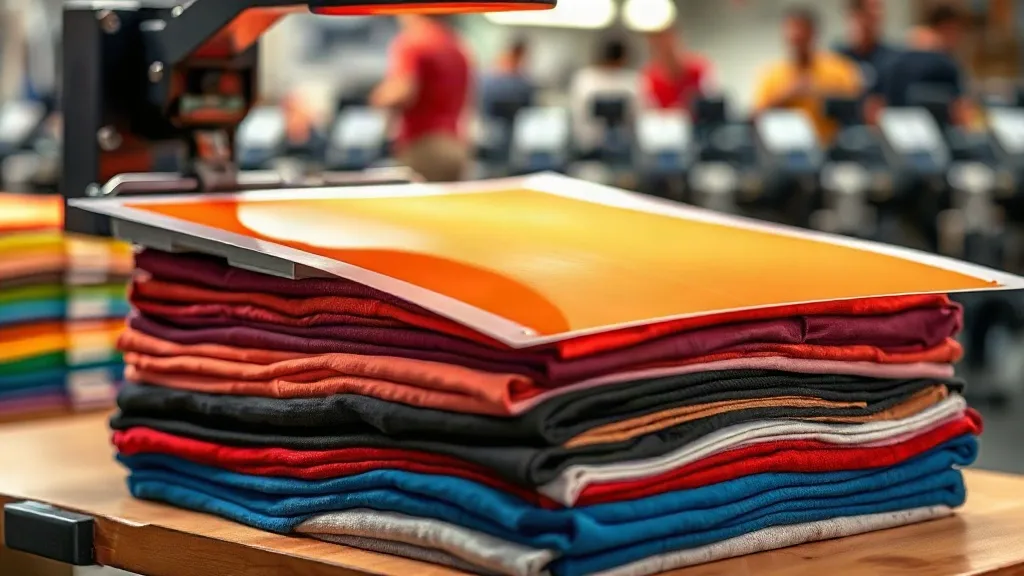
Every print shop knows that the blank you choose can make or break a DTF print. shaka wear has become a go-to for many printers, but not all Shaka blanks are created equal when it comes to DTF. The fabric blend, weave, and weight all play a critical role in how your transfer adheres, how colors pop, and how long the print lasts. In this guide, we'll dive deep into the world of Shaka Wear blanks and DTF printing, sharing practical insights that will help you choose the right blanks and avoid common pitfalls. Whether you're new to DTF or a seasoned pro, understanding the nuances of fabric blends will elevate your game.
Why Fabric Blend Matters for DTF Printing
DTF (Direct to Film) printing involves transferring a design printed on a special film onto fabric using heat and pressure. The adhesive on the film needs to bond with the fabric fibers. Different fibers behave differently: cotton is absorbent and bonds well, polyester is smooth and can repel adhesives if not formulated correctly, and blends fall somewhere in between. Shaka Wear offers a range of blanks, from 100% cotton to poly-cotton blends, each with its own characteristics. Choosing the wrong blend can lead to poor adhesion, cracking, or faded prints after washing. That's why it's essential to match your DTF process to the fabric.
Cotton-Rich Blanks: The Safe Bet
Shaka Wear's 100% cotton tees, like the classic 6.0 oz heavyweight, are a favorite for DTF because cotton fibers have a natural texture that the adhesive can grab onto. The surface is slightly rough, providing mechanical grip. However, cotton can be tricky if not pre-treated: some cotton fabrics have a sizing or finish that repels the adhesive. Always pre-press the garment to remove moisture and flatten the surface. For best results, use a lower temperature (around 300°F) and medium pressure, and peel the film warm. Cotton also takes vibrant colors well, but be mindful of dye migration if the fabric is dark and the print is light.
Polyester and Blends: Handle with Care
Polyester is notorious for DTF challenges. Its smooth, hydrophobic surface can prevent the adhesive from bonding, leading to prints that peel after a few washes. Shaka Wear's poly-cotton blends (like the 50/50) offer a compromise: enough cotton for adhesion, enough polyester for durability. When printing on these blends, use a slightly higher temperature (320°F) and longer press time to allow the adhesive to penetrate. Also, polyester can cause dye migration, especially on dark colors. Using a low-bleed film or a blocker layer can help. Always test on a scrap piece before running a full batch.
Shaka Wear's Popular Blanks: A DTF Suitability Breakdown
Not all Shaka Wear blanks are created equal for DTF. Here's a quick rundown of some popular styles and how they perform:
- Shaka Wear 6.0 oz Heavyweight Cotton Tee: Excellent for DTF. The heavyweight fabric provides a stable surface, and the cotton content ensures good adhesion. Ideal for detailed designs.
- Shaka Wear 5.0 oz Poly-Cotton Tee: Good for DTF with adjustments. The blend reduces shrinkage and adds durability, but requires careful temperature control to avoid scorching.
- Shaka Wear 100% Polyester Performance Tee: Challenging but doable. Use low-bleed film and lower pressure to prevent the adhesive from sinking too deep. Best for simple, bold designs.
- Shaka Wear Fleece Hoodies: Great for DTF if you adjust for the loft. The raised fibers can interfere with adhesion, so pre-press firmly and use a higher pressure.
Remember, these are general guidelines. Always test with your specific DTF setup.
Preparing Shaka Wear Blanks for DTF: Step-by-Step
Proper preparation is half the battle. Follow these steps to ensure a strong bond:
- Pre-press the garment: This removes moisture and wrinkles. Set your press to 300°F and press for 5-10 seconds. For polyester, use a lower temperature (280°F) to avoid dye migration.
- Position the transfer: Place the DTF film with the adhesive side down on the fabric. Ensure it's flat and secure.
- Press with the right settings: For cotton, 300°F, medium pressure, 15 seconds. For blends, 320°F, medium pressure, 20 seconds. For polyester, 300°F, low pressure, 10 seconds.
- Peel the film: Wait until the film is warm to the touch (not hot) before peeling. Peel in a smooth, continuous motion.
- Post-press (optional): For added durability, cover the print with parchment paper and press for another 5 seconds.
These steps will help you achieve consistent results across different Shaka Wear blanks.
Common DTF Issues on Shaka Wear Blanks and How to Fix Them
Even with the best practices, problems can arise. Here are some common issues and their solutions:
- Print peeling after wash: This usually indicates insufficient pressure or temperature. Increase pressure and ensure the press is at the correct temperature. Also, make sure the fabric is completely dry before pressing.
- Faded or dull colors: This can happen if the film is overheated or if the fabric has a finish that repels ink. Try reducing temperature and using a lower-bleed film.
- Cracking: Cracking often occurs when the print is stretched. Use a stretchable DTF film and ensure proper adhesion. Also, avoid over-stretching the garment during pressing.
- Dye migration: On dark polyester, the fabric dye can sublimate into the print. Use a low-bleed film or a blocker layer, and keep the temperature as low as possible while still achieving adhesion.
By troubleshooting systematically, you can overcome these challenges.
Maximizing Efficiency with a DTF Gangsheet Builder
For print shops, time is money. A DTF Gangsheet Builder allows you to arrange multiple designs on a single sheet, reducing waste and speeding up production. When working with Shaka Wear blanks, you can group similar fabrics together on one gangsheet, ensuring consistent press settings for the whole batch. This is especially useful when printing on blends that require specific temperatures. By planning your gangsheets around fabric types, you minimize errors and maximize output.
Case Study: Printing on Shaka Wear 50/50 Blend
Let's walk through a real-world example. A customer orders 50 shirts on Shaka Wear's 50/50 poly-cotton blend. The design is a full-color logo with fine details. Here's how we approached it:
- Pre-press: 300°F for 7 seconds to remove moisture.
- Print settings: 320°F, medium pressure, 20 seconds.
- Peel: Warm peel.
- Post-press: 5 seconds with parchment paper.
Result: The prints adhered well, with no peeling after 20 washes. The colors remained vibrant. The key was the slightly higher temperature and longer press time to allow the adhesive to bond with both cotton and polyester fibers.
Frequently Asked Questions
Can I use DTF on all Shaka Wear blanks?
Most Shaka Wear blanks are DTF-friendly, but performance varies. 100% cotton is the easiest, while polyester requires more care. Always test a sample before full production.
What's the best temperature for DTF on Shaka Wear 100% cotton?
We recommend 300°F (150°C) with medium pressure for 15 seconds. Pre-press the garment to remove moisture and wrinkles.
How do I prevent dye migration on dark Shaka Wear polyester shirts?
Use a low-bleed DTF film and keep the press temperature as low as possible (around 280-300°F). A blocker layer can also help.
Why does my DTF print crack after washing on Shaka Wear blends?
Cracking often results from insufficient adhesion or over-stretching. Ensure proper pressure and temperature, and use a stretchable film. Also, avoid washing in hot water and tumble drying on high heat.
Can I use a DTF Gangsheet Builder for small orders on Shaka Wear?
Absolutely. Gangsheets are efficient for both small and large orders. You can combine multiple designs on one sheet, saving time and material.