
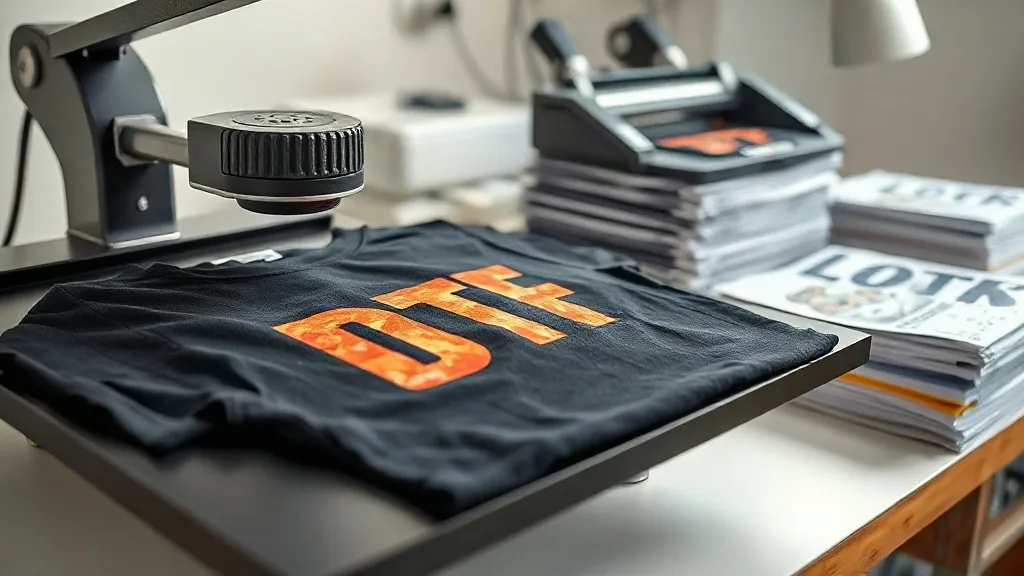
If you've ever peeled a dtf transfers sheet only to watch the design crack or fade after a single wash, you know how frustrating and expensive mistakes can be. Whether you're a small business owner or a hobbyist, avoiding common pitfalls in DTF printing can save you time, money, and a lot of wasted material. In this guide, we'll walk through the most frequent errors that lead to poor results and show you how to sidestep them, so you can achieve professional-quality prints every time.
Why DTF Transfers Are Worth the Effort
DTF (Direct to Film) printing has exploded in popularity for good reason. It works on almost any fabric, from cotton and polyester to blends and even nylon. Unlike other methods, DTF doesn't require pretreating the garment, and the prints are stretchable and durable when done correctly. But the key phrase is "when done correctly." A small mistake in the process can lead to wasted transfers, ruined blanks, and unhappy customers. That's why understanding the common mistakes is the first step to saving money.
Mistake 1: Choosing the Wrong Fabric for DTF
One of the biggest misconceptions is that DTF works perfectly on all fabrics. While it's versatile, some fabrics are trickier than others. For example, heavily textured fabrics like canvas or burlap can prevent the adhesive from bonding properly, leading to premature peeling. Similarly, fabrics with a high spandex content may stretch too much during application, causing the transfer to crack. Always test on a small swatch before committing to a full production run.
How to Test Fabric Compatibility
Before applying a dtf transfers design to a new fabric, do a small test press. Use a scrap piece of the fabric and a small transfer. Follow the recommended temperature and pressure settings, then stretch the fabric and wash it to see how the transfer holds up. This simple step can save you from costly mistakes on a large order.
Mistake 2: Skipping the Color White
DTF transfers require a white ink layer to make colors pop, especially on dark garments. Some printers try to save white ink to cut costs, but this leads to dull, faded prints. The white layer acts as a base that allows the colors to stand out. Without it, your design will look washed out and may not adhere properly. Always ensure your printer uses enough white ink, and if you're outsourcing, choose a reputable supplier that doesn't skimp on white.
Mistake 3: Incorrect Temperature and Pressure Settings
Heat press settings are critical for DTF. Too low a temperature and the adhesive won't melt, causing the transfer to peel off. Too high and you risk scorching the fabric or melting the transfer film. Pressure matters too: too little and the transfer won't bond; too much and the design can spread or lose detail. Always follow the manufacturer's recommendations, and use a infrared thermometer to verify your press's actual temperature, as dials can be inaccurate.
Finding the Sweet Spot
Start with a temperature of 300°F to 320°F (150°C to 160°C) for most fabrics, and adjust based on your tests. Pressure should be firm but not excessive. A good rule of thumb is to press for 10-15 seconds, then peel the film while it's still warm (or cold, depending on the film type). Always check the film's instructions.
Mistake 4: Peeling at the Wrong Time
Some DTF films are hot peel, others cold peel. Peeling too early or too late can ruin the transfer. Hot peel films should be removed immediately after pressing while still hot, while cold peel films must cool completely before peeling. If you peel a cold peel film too early, the design may stick to the film and not the fabric. Always know which type you're using and follow the timing precisely.
Mistake 5: Poor Storage of Transfers
DTF transfers are sensitive to moisture, dust, and sunlight. Storing them improperly can cause the adhesive to degrade or the film to warp. Keep unused transfers in a cool, dry place, away from direct sunlight. Use airtight containers or bags to protect them from humidity. If you live in a humid climate, consider adding silica gel packets to absorb moisture.
Mistake 6: Ignoring Fabric Preparation
Lint, wrinkles, and moisture on the fabric can prevent proper adhesion. Always pre-press the garment for a few seconds to remove wrinkles and moisture. Use a lint roller to remove any loose fibers. Skipping this step can lead to uneven transfer or premature peeling.
How to Save Money on DTF Transfers
Now that you know the mistakes to avoid, let's talk about saving money. Here are some practical tips:
- Buy in bulk: Ordering transfers in larger quantities often reduces the per-unit cost. Many suppliers offer discounts for bulk orders.
- Use efficient nesting: When printing your own transfers, arrange designs closely on the film to minimize waste.
- Choose the right film: Not all projects require premium film. For simple designs, standard film works well and costs less.
- Reuse waste: Small scraps of transfer film can be used for tiny designs or test prints.
- Invest in a good heat press: A reliable press with accurate temperature control reduces errors and saves money in the long run.
If you're looking for high-quality dtf transfers near me, consider sourcing from a reputable supplier like dtf transfers near me that offers competitive pricing and consistent quality.
Conclusion
Avoiding these common mistakes will not only improve the quality of your DTF transfers but also save you money by reducing waste and rework. Remember to test fabrics, use proper settings, store transfers correctly, and source from reliable suppliers. With a little care, you can achieve professional results that keep your customers coming back.
Frequently Asked Questions
Can I use DTF transfers on 100% polyester?
Yes, DTF works well on polyester, but you may need to adjust temperature and pressure. Polyester is heat-sensitive, so use a lower temperature (around 280°F to 300°F) and press for a shorter time to avoid scorching. Always test first.
How long do DTF transfers last?
When applied correctly, DTF transfers can last 50+ washes. Durability depends on fabric type, washing conditions, and application quality. Turn garments inside out and wash in cold water to extend life.
What is the best way to store DTF transfers?
Store them in a cool, dry place away from direct sunlight. Keep them in airtight containers or bags to prevent moisture damage. Avoid folding or creasing the transfers.
Can I layer DTF transfers?
Yes, you can layer DTF transfers, but it's tricky. Apply the bottom layer first, then the top layer, pressing each separately. Use a lower temperature for the second press to avoid remelting the first layer.
Why is my DTF transfer cracking after washing?
Cracking usually results from insufficient pressure, incorrect temperature, or stretching the fabric too much during application. Ensure you follow the recommended settings and pre-stretch the fabric before pressing.