
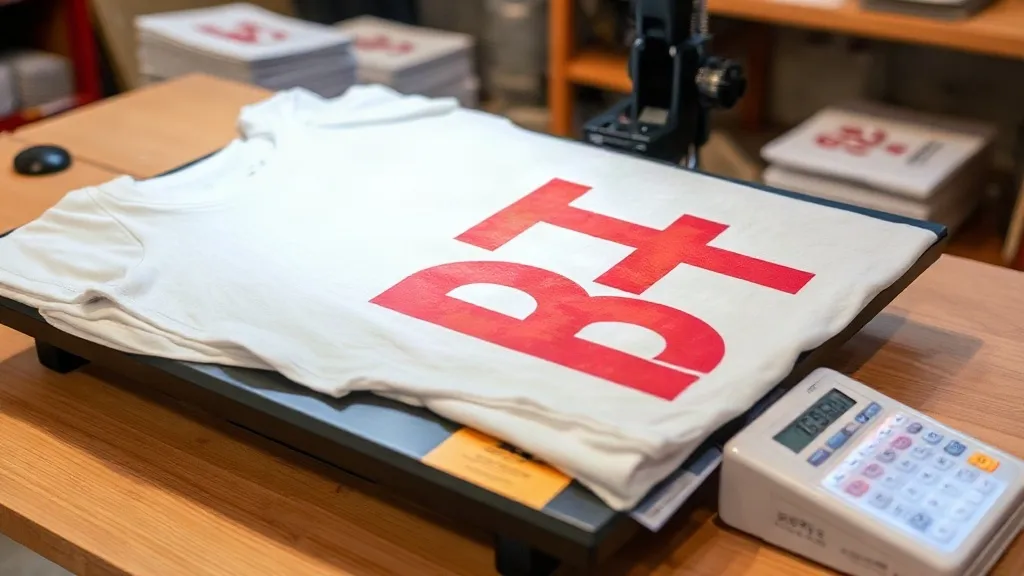
You have probably been there: a customer asks for a price on a small run of shirts, you throw out a number that feels right, and later realize you barely covered the film and powder, let alone your time. Pricing dtf transfers is not about picking a number that sounds competitive. It is about building a repeatable system that covers every cost, leaves room for profit, and still makes sense to the customer. This guide walks through how to do that without a finance degree.
Start With the Real Cost of a Transfer
Before you can quote a job, you need to know what a single transfer costs you to produce. That number is not just the film and powder. It includes ink, labor, printer maintenance, electricity, and the occasional reprint. Most shops underestimate this by 20 to 30 percent because they forget the soft costs.
Here is a simple way to build your cost per transfer:
- Materials: Film, powder, and ink. Add up what you use for a typical sheet and divide by the number of transfers on it.
- Labor: Time to design, print, powder, and cure. Even if you do it yourself, your time has a value. Use an hourly rate you would pay someone else.
- Equipment: Depreciation, maintenance, and electricity. A rough estimate is fine; just be consistent.
- Waste: Misprints, test prints, and customer rejects. A 10 percent buffer is realistic for most shops.
Once you have that number, you have a floor. Any quote below it is a loss, no matter how good the job looks on paper.
Build a Quote That Covers the Whole Job
Customers do not buy transfers in isolation. They buy a finished product: a shirt with a design on it. Your quote should reflect the entire workflow, not just the transfer itself. That means factoring in garment cost, pressing time, packaging, and any design work.
A common mistake is to quote only the transfer price and then add garment and pressing as an afterthought. That approach leaves you exposed when a job takes longer than expected. Instead, build a quote in layers:
- Design and setup: If you are creating or adjusting artwork, charge for it. Even a small fee filters out tire-kickers and pays for your time.
- Transfers: Your cost per transfer multiplied by the quantity, plus your margin.
- Garments: Your cost plus a markup. Do not forget shipping and handling.
- Pressing and finishing: Time per piece multiplied by your hourly rate. Include folding and bagging if the customer expects it.
- Rush fees: If the job needs to jump the queue, charge for it. Rush work disrupts your schedule and should be priced accordingly.
When you present the quote, break it down so the customer sees the value in each line. Transparency builds trust and reduces haggling.
Set Minimums That Protect Your Time
Small orders can be a trap. A single shirt with a custom design might take 30 minutes of setup, printing, and pressing. If you charge the same per-piece rate as a 50-piece order, you are effectively working for free on the setup. That is why minimums matter.
There are two types of minimums worth considering:
- Order minimum: A dollar amount or piece count below which you do not accept the job. This keeps small, unprofitable orders from clogging your workflow.
- Setup minimum: A fee that applies to any job requiring new artwork or a new film setup. This covers your time even if the order is small.
Be upfront about minimums on your website and in your quotes. Customers appreciate clarity, and it prevents awkward conversations later.
Account for the Hidden Costs of DTF
DTF has some unique costs that are easy to overlook. If you ignore them, your margin quietly disappears.
Reprints and Rejects
No matter how good your process is, some transfers will fail. Powder issues, ink clogs, or pressing errors can ruin a print. Build a reprint allowance into your pricing. A 5 to 10 percent buffer is standard in the industry.
Storage and Handling
Transfers need to be stored properly to avoid moisture and dust. If you are holding inventory for a customer, charge for storage or factor it into the price. Time and space are not free.
Shipping and Packaging
If you ship transfers, use rigid packaging to prevent creasing. The cost of a sturdy mailer is small compared to a reprint. Include shipping materials in your quote, and offer tracking as a standard option.
Price for the Value You Deliver
It is tempting to compete on price, but there will always be someone cheaper. Instead, focus on the value you provide: fast turnaround, consistent quality, and reliable communication. Customers who care about those things are willing to pay more.
When you talk to a potential client, ask about their timeline, their fabric choices, and their expectations. Then explain how your process meets those needs. A quote that includes a clear explanation of what is included and what is not is more persuasive than a rock-bottom number that hides extra fees.
If you are looking for dtf transfers near me convenience, you are likely comparing local shops. In that case, ask about their turnaround time and whether they handle pressing or just supply the transfers. A shop that offers both can save you a step and often provides a better overall price.
Review and Adjust Your Pricing Regularly
Costs change. Film prices fluctuate, ink prices go up, and your time becomes more valuable as you gain experience. Set a reminder to review your pricing every six months. Look at your actual costs from the past period and adjust your rates accordingly.
A simple spreadsheet with your cost per transfer, average order size, and profit margin can reveal trends. If you notice that a particular type of job is consistently unprofitable, either raise the price or stop offering it. There is no shame in narrowing your focus to the work that pays well.
Frequently Asked Questions
How much should I charge for a single DTF transfer?
There is no universal price, but most shops charge between $2 and $5 per transfer for small runs, depending on size and complexity. For bulk orders, the per-unit price drops. The key is to know your cost and add a margin that reflects your time and overhead.
Should I include pressing in my transfer price?
It depends on your business model. If you sell transfers as a standalone product, pressing is not included. If you sell finished garments, pressing is part of the service and should be priced separately. Be clear with customers about what they are getting.
What is a reasonable minimum order for DTF transfers?
A common minimum is 10 to 15 transfers per design. This covers the setup and makes the job worth running. For custom artwork, a setup fee may apply even if the order meets the minimum.
How do I handle rush orders?
Charge a rush fee, typically 20 to 50 percent of the job total. Rush work requires reshuffling your schedule and can lead to overtime or mistakes. The fee compensates you for the disruption and discourages unnecessary urgency.
Can I lower my prices to win more jobs?
Lowering prices can attract customers, but it also attracts price-sensitive clients who may not be loyal. Instead, compete on quality, speed, and service. If you do lower prices, do it strategically for large orders or repeat customers, and make sure you still cover your costs.