
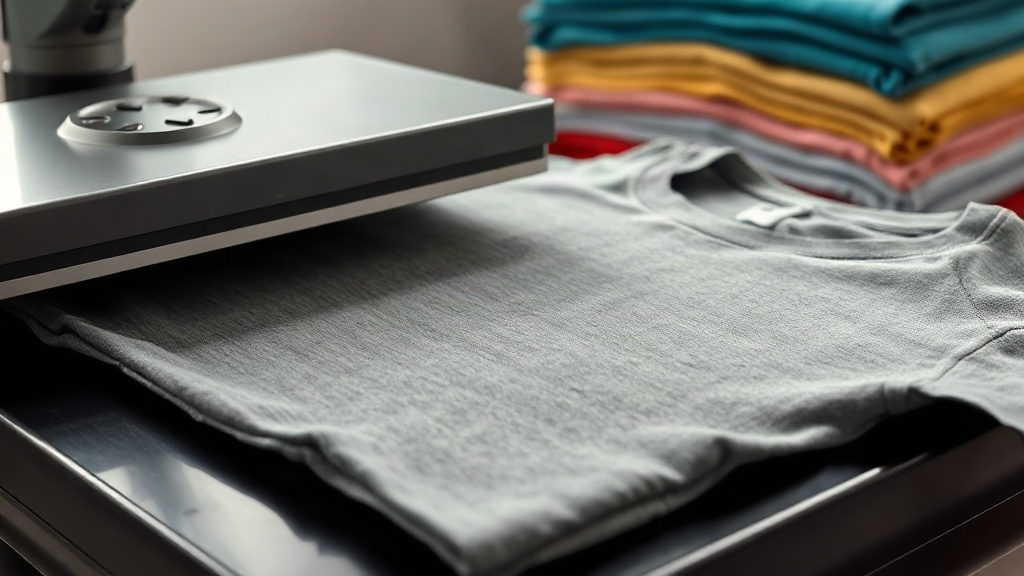
If you've ever pulled a heat press open only to find a dull, cracked, or misaligned print, you know the frustration. The culprit often isn't your technique or your transfer film. It's the blank you chose. In the world of direct-to-film printing, the garment underneath is just as important as the ink on top. That's where smart blanks come in. These are garments engineered with the right fabric blend, weight, and finish to accept DTF transfers flawlessly. And when you pair them with a trusted brand like Shaka Wear, you set yourself up for results that look professional and last wash after wash. In this guide, we'll break down why smart blanks matter, how to choose them, and how to get the most out of your DTF transfers.
What Makes a Blank 'Smart' for DTF Transfers?
Not all blanks are created equal. A smart blank is one that has been optimized for heat-applied graphics. It typically features a tight, smooth weave that allows the transfer to adhere evenly, a fiber content that can withstand the heat of a press without scorching, and a finish that doesn't repel the adhesive. Cotton-poly blends are common, but the ratio matters. Too much polyester can cause the print to look washed out; too much cotton can lead to a rough surface that traps air bubbles. Smart blanks strike the right balance.
Another key factor is shrinkage. A blank that shrinks after the first wash will distort your carefully placed design. Smart blanks are pre-shrunk or treated to minimize movement, so your DTF transfers stay exactly where you put them. They also tend to have a consistent thickness, which means your press settings remain the same from one garment to the next. That consistency saves time and reduces waste.
Fabric Composition: The Foundation of a Good Print
When you're working with DTF transfers, the fabric composition is your starting point. 100% cotton is a classic choice because it's breathable and takes ink well, but it can be prone to slight unevenness. 50/50 blends offer a smoother surface, but if the polyester content is too high, the transfer may not bond as strongly. Smart blanks often use a tri-blend or a carefully calibrated cotton-poly mix that gives you the best of both worlds: a soft hand feel and reliable adhesion.
For example, Shaka Wear is known for its premium blanks that cater to printers who demand consistency. Their fabrics are combed and ring-spun, which removes impurities and creates a smoother canvas. This means your DTF transfers can achieve finer detail and richer colors because there's less texture interfering with the ink. If you've ever tried to print on a cheap, rough blank, you know the difference immediately.
Weight and Weave: Why They Matter for DTF
Heavier blanks aren't always better, but for DTF, a medium to heavy weight (around 5.5 to 6.5 oz) provides a stable base that won't bunch or shift during pressing. The weave should be tight enough to prevent the transfer from sinking into the fibers, which can cause a fuzzy or cracked appearance. A smart blank will have a smooth, tight knit that allows the adhesive to sit on the surface and cure properly.
Weave also affects how the garment drapes and how the print feels. A tight weave can make the print feel a bit stiffer, but with modern DTF transfers, the ink layer is thin and flexible, so the overall hand feel remains soft. The key is to avoid loosely woven fabrics where the transfer can't make full contact. If you're unsure, test a swatch before committing to a full run.
Why Shaka Wear Stands Out for DTF Printing
Shaka Wear has built a reputation among screen printers and DTF enthusiasts for delivering blanks that are both affordable and high-performing. Their garments are cut and sewn with consistency in mind, so you're not dealing with size variations or crooked seams. For DTF, that consistency translates to fewer misprints and happier customers.
One of the standout features of Shaka Wear blanks is their surface smoothness. Because they use fine yarns and a tight knit, the fabric doesn't have the pronounced texture you find in some budget tees. This means your DTF transfers can achieve a level of detail that rivals screen printing, with vibrant colors and crisp edges. Whether you're printing a complex graphic or simple text, the blank won't let you down.
Another advantage is their color range. Shaka Wear offers a wide spectrum of hues, from classic blacks and whites to trendy pastels and heathers. This variety lets you match your transfer to the garment for a seamless look, or create bold contrasts. And because their blanks are pre-shrunk, you can trust that the colors and fit will remain true after washing.
Comparing Shaka Wear to Other Popular Blanks
You might be wondering how Shaka Wear stacks up against other big names. While brands like Gildan or Bella+Canvas have their fans, Shaka Wear often wins on price-to-quality ratio. Their blanks are softer than standard Gildan 5000s and hold up better than some fast-fashion alternatives. For DTF, the smoother surface of Shaka Wear gives them an edge because you need less pressure and lower temperatures to achieve a perfect bond, which reduces the risk of scorching.
That said, the best blank depends on your specific needs. If you're printing on a budget, Shaka Wear offers excellent value. If you need an ultra-soft, fashion-forward blank, you might explore other options. But for most DTF applications, Shaka Wear hits the sweet spot.
How to Get the Best Results with DTF Transfers on Smart Blanks
Even with the best blank, your technique matters. Here are some practical tips to ensure your DTF transfers look great and last.
- Pre-press the garment: This removes moisture and wrinkles, creating a smooth surface. Set your press to around 300°F for 5-10 seconds.
- Use the right pressure: Medium pressure is usually sufficient. Too little and the transfer won't adhere; too much and you risk flattening the fabric or causing the ink to spread.
- Peel with care: For DTF transfers, you can often peel hot or cold. Check your transfer supplier's instructions. Cold peel is generally safer for fine details.
- Post-press for durability: After peeling, give it a final press for 10-15 seconds with a Teflon sheet or parchment paper. This ensures the adhesive fully cures.
- Wash inside out: Advise your customers to wash the garment inside out in cold water and tumble dry low. This preserves the print and the blank.
By following these steps, you'll maximize the performance of both your smart blanks and your DTF transfers. Remember, the goal is a print that looks like it was always part of the garment.
Common Mistakes to Avoid
One frequent mistake is skipping the pre-press. Moisture in the fabric can turn to steam during pressing, creating bubbles under the transfer. Another is using too much heat, which can scorch the blank or cause the transfer to become brittle. Always test your settings on a scrap piece first. Also, avoid stretching the garment when you place the transfer; this can lead to misalignment. And don't forget to check that your transfer is properly positioned before pressing. Once it's on, it's on for good.
Choosing the Right Smart Blanks for Your Project
When selecting smart blanks, consider the end use. For promotional tees that will be worn occasionally, a mid-weight cotton-poly blend is fine. For retail-quality apparel, invest in a premium blank like Shaka Wear that offers a soft hand and durable construction. Also, think about color. Dark colors require a white underbase in the transfer, which can add thickness. If you want a softer print, consider lighter garments or transfers designed for dark fabrics.
Another factor is size range. Ensure the blank comes in the sizes you need, and check that the fit is consistent across sizes. Shaka Wear offers a range of fits, from classic to modern, so you can cater to different preferences. And if you're printing for a client, order a sample first to confirm the quality and printability.
Finally, don't overlook the importance of storage. Keep your blanks in a dry, dust-free environment. Dust can interfere with adhesion, and moisture can cause problems during pressing. A clean workspace is a smart workspace.
Frequently Asked Questions
What are smart blanks and why are they important for DTF transfers?
Smart blanks are garments specifically designed with the ideal fabric composition, weight, and finish to accept DTF transfers smoothly. They ensure even adhesion, vibrant colors, and lasting durability, reducing the risk of cracking or peeling. Without them, even the best transfer can fail.
Is Shaka Wear a good brand for DTF printing?
Yes, Shaka Wear is an excellent choice for DTF printing. Their blanks feature a tight, smooth weave and consistent construction that allows transfers to bond evenly. They are also pre-shrunk and come in a wide range of colors, making them a favorite among DTF printers.
How do I prevent my DTF transfers from cracking on smart blanks?
To prevent cracking, use the correct press settings (temperature, pressure, and time), pre-press the garment to remove moisture, and post-press after peeling. Also, choose a high-quality blank like Shaka Wear that has a smooth surface and minimal shrinkage. Proper washing (inside out, cold water) also helps.
Can I use DTF transfers on any fabric?
DTF transfers work best on cotton and cotton-poly blends. They can adhere to 100% polyester, but the results may vary. For optimal performance, stick with smart blanks that are designed for heat-applied graphics. Always test on a swatch first.
Where can I buy smart blanks and DTF transfers?
You can find smart blanks from reputable brands like Shaka Wear through authorized distributors. For DTF transfers, look for suppliers that offer high-quality films and inks. Many online stores specialize in both, so you can source everything in one place.