
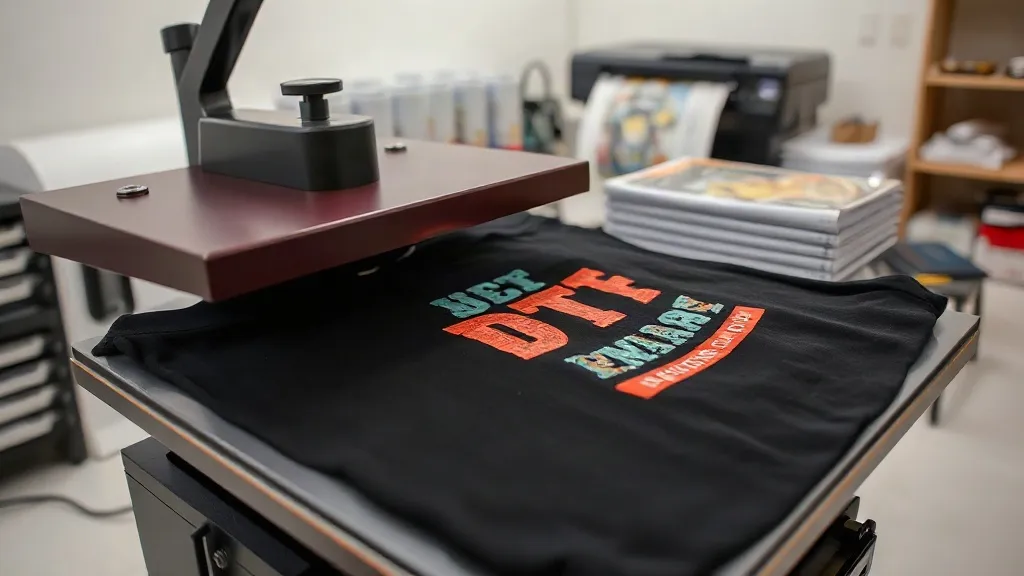
If you've been exploring custom apparel printing, you've likely encountered dtf transfers. This innovative method is transforming how creators and businesses approach fabric printing, offering vibrant colors and durability on a wide range of materials. Unlike traditional methods that require specialized equipment or extensive setup, DTF (Direct to Film) printing provides a versatile solution for short runs, complex designs, and even hard-to-print fabrics. In this guide, we'll walk you through the entire DTF process, from understanding the basics to applying transfers like a pro.
What Are DTF Transfers?
DTF transfers are printed designs on a special film that can be heat-pressed onto fabrics. The process involves printing your artwork onto a PET film using specialized dtf inks, applying a hot-melt adhesive powder, and then curing the powder. The result is a transfer that can be stored and later applied to garments with a heat press. This method is gaining popularity because it works on cotton, polyester, blends, and even difficult materials like nylon and leather.
The DTF Printing Process
Creating a DTF transfer involves several precise steps:
- Design Preparation: Your artwork is prepared digitally, ensuring colors are vibrant and details are sharp. White ink is used as a base to make colors pop on dark fabrics.
- Printing: The design is printed onto a PET film using DTF printers. These printers use pigment-based inks that are durable and flexible.
- Powder Application: While the ink is still wet, a hot-melt adhesive powder is applied evenly over the design. Excess powder is shaken off.
- Curing: The film is then heated to melt the powder, creating a adhesive layer that will bond with fabric during heat pressing.
Once cured, the transfer is ready to be applied. The film can be stored for later use, making it convenient for on-demand printing.
Why Choose DTF Transfers?
DTF transfers offer several advantages over other printing methods. Here are key benefits:
- Versatility: Works on almost any fabric, including cotton, polyester, blends, and even non-woven materials.
- Durability: Prints resist cracking, peeling, and fading, even after multiple washes.
- Vibrant Colors: The white ink base allows for bright, opaque colors on dark garments.
- No Weeding: Unlike vinyl, there's no tedious weeding process, saving time and reducing waste.
- Cost-Effective for Short Runs: Ideal for small batches and custom orders without the setup costs of screen printing.
These benefits make DTF a go-to choice for small businesses, crafters, and anyone looking to create professional-quality apparel.
Choosing the Right DTF Supplies
To achieve excellent results, you need quality supplies. Here's what to look for:
DTF Inks
Use pigment-based DTF inks designed specifically for DTF printers. They should be vibrant, opaque, and compatible with your printer. Avoid using sublimation inks, as they won't work for DTF.
DTF Film
PET films come in different thicknesses and finishes. Choose a film that releases cleanly and holds the powder well. Cold-peel films are popular for their ease of use.
Adhesive Powder
Hot-melt adhesive powder is crucial for bonding. It should have a fine particle size for smooth application and strong adhesion. Store it in a dry environment to prevent clumping.
Heat Press
A reliable heat press with accurate temperature and pressure control is essential. For DTF, you'll need temperatures around 320°F to 340°F (160°C to 170°C).
How to Apply DTF Transfers: Step-by-Step
Applying a DTF transfer is straightforward if you follow these steps:
- Preheat the Garment: Set your heat press to the recommended temperature (usually 320°F-340°F). Preheat the garment for 5-10 seconds to remove moisture and wrinkles.
- Place the Transfer: Position the transfer on the garment with the design facing up. The adhesive side should be against the fabric.
- Press: Apply medium to firm pressure for 10-15 seconds. Use a Teflon sheet or parchment paper to protect the transfer.
- Peel: Allow the transfer to cool completely before peeling the film. Cold peel is standard for DTF, but some films are hot peel; check your film's instructions.
- Post-Press (Optional): For added durability, you can press again for a few seconds with a Teflon sheet.
Always test on a scrap fabric first to dial in your settings.
Common Mistakes to Avoid
Even experienced users can run into issues. Here are common pitfalls and how to avoid them:
- Insufficient Pressure: Leads to poor adhesion. Ensure your press is calibrated.
- Wrong Temperature: Too hot can scorch the fabric; too cold won't melt the adhesive. Use a infrared thermometer to verify.
- Peeling Too Soon: Waiting for the transfer to cool prevents the design from stretching or peeling up.
- Using Low-Quality Powder: Cheap powder may not adhere well or may yellow over time.
- Ignoring Fabric Type: Some fabrics require lower temperatures. Always check compatibility.
Finding DTF Transfers Near You
If you're looking to buy DTF transfers, you might search for dtf transfers near me. Many local print shops now offer DTF services, or you can order online from specialized suppliers. When choosing a supplier, consider print quality, turnaround time, and customer reviews. For those who want to produce in-house, investing in a DTF printer setup can be cost-effective in the long run.
DTF vs. Other Printing Methods
How does DTF compare to screen printing, DTG, and vinyl?
- Screen Printing: Better for large orders with simple designs, but DTF excels in complex, multi-color designs and short runs.
- DTG (Direct to Garment): DTG requires pretreating and works best on 100% cotton. DTF is more versatile and often more durable.
- Vinyl: Vinyl is limited to simple shapes and requires weeding. DTF handles intricate details and gradients with ease.
Each method has its place, but DTF's flexibility makes it a strong contender for many applications.
Frequently Asked Questions
Can I use DTF transfers on dark-colored shirts?
Yes, DTF transfers work exceptionally well on dark fabrics because the white ink base ensures colors remain vibrant and opaque.
How long do DTF transfers last?
With proper application and care, DTF prints can last as long as the garment itself, resisting cracking and fading through many washes.
Do I need a special printer for DTF?
Yes, you need a DTF printer that uses pigment inks and is designed to handle PET film. However, you can also purchase pre-printed transfers from suppliers.
What fabrics are not suitable for DTF?
DTF works on most fabrics, but avoid highly textured or heat-sensitive materials like certain nylons or fabrics with coatings that may melt.
How should I store DTF transfers?
Store them in a cool, dry place away from direct sunlight. Keep them flat to prevent creasing.