
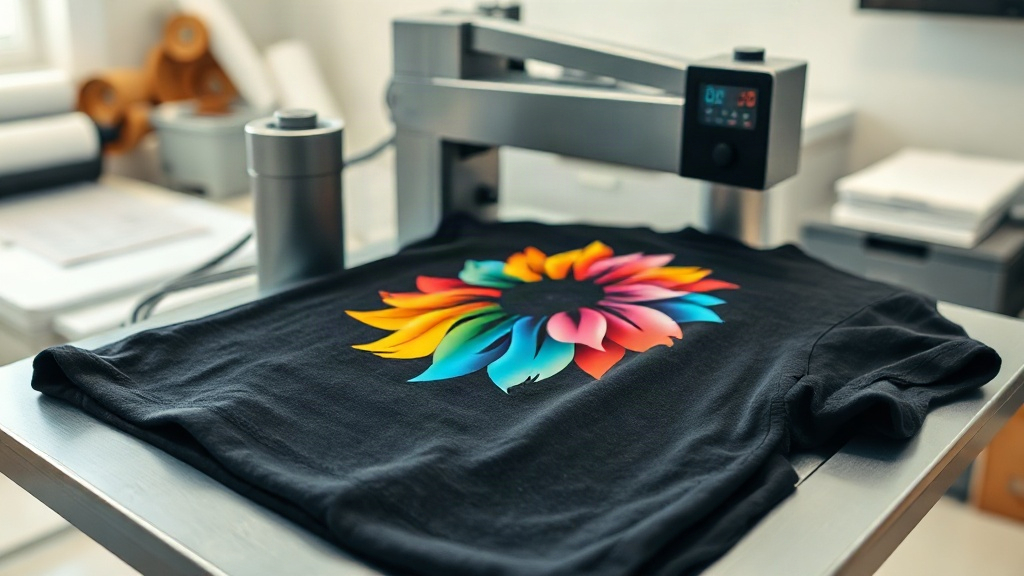
Custom apparel has never been more popular, and if you're looking to elevate your designs, DTF transfers are a game-changer. Unlike traditional methods, DTF transfers offer unmatched versatility, allowing you to print full-color designs on a wide range of fabrics with incredible detail. Whether you're a small business owner, a hobbyist, or a professional printer, understanding DTF transfers can open up a world of possibilities. In this guide, we'll dive deep into what DTF transfers are, how they work, and why they might be the perfect solution for your next project.
What Are DTF Transfers?
DTF stands for Direct-to-Film. It's a printing technology where your design is printed onto a special film, coated with a powdered adhesive, and then heat-pressed onto the fabric. Unlike DTG (Direct-to-Garment) or screen printing, DTF transfers don't require pretreating the garment or using specialized inks for different fabric types. This makes them incredibly versatile and cost-effective for both small and large runs.
The process involves a few key steps: first, your design is printed onto a PET film using a DTF printer with special inks. Then, a fine powder adhesive is applied to the wet ink, and the film is cured. Finally, the transfer is placed on the fabric and heat-pressed, where the adhesive melts and bonds the ink to the fabric. The result is a vibrant, durable print that can stretch and flex with the garment.
Why Choose DTF Transfers Over Other Methods?
There are several compelling reasons why DTF transfers have become a favorite among apparel decorators. Let's explore the main advantages.
Unmatched Versatility
One of the biggest draws of DTF transfers is their ability to adhere to almost any fabric. Cotton, polyester, blends, nylon, leather, and even treated wood can be decorated with DTF transfers. This is a significant advantage over DTG, which works best on 100% cotton, or screen printing, which can be challenging on dark or synthetic fabrics. With DTF, you can offer your customers a wider range of garment options without compromising on quality.
Vibrant, Full-Color Prints
DTF transfers use CMYK plus white ink, allowing for bright, saturated colors and smooth gradients. The white ink acts as a base, making the colors pop even on dark garments. Unlike vinyl or screen printing, there's no limit to the number of colors in your design, and you can achieve photographic detail without the need for multiple screens or layers.
Durability and Washability
When applied correctly, DTF transfers are extremely durable. They resist cracking, peeling, and fading, even after multiple washes. The adhesive bonds firmly to the fabric, and the ink remains flexible, so the print won't stiffen or crack when the garment is stretched. This makes DTF transfers ideal for items that will see frequent use, such as t-shirts, hoodies, and sports jerseys.
Cost-Effective for Small and Large Orders
Unlike screen printing, which requires separate screens for each color and becomes cost-effective only at higher quantities, DTF transfers are economical for both one-offs and bulk orders. There's no minimum order quantity, and you can print as many or as few as you need. The setup cost is minimal, making it perfect for small businesses, personalized gifts, or sampling before a large production run.
The DTF Transfer Process: Step by Step
Understanding the process helps you achieve professional results. Here's a breakdown of the key steps.
1. Design Preparation
Start with a high-resolution image. DTF printers can handle intricate details, but a low-res file will result in a poor print. Ensure your design is in CMYK color mode and has a transparent background if needed. Don't forget to mirror the image horizontally before printing, as the transfer will be flipped when pressed.
2. Printing
Load the PET film into your DTF printer and print the design. The printer lays down the CMYK inks first, followed by a layer of white ink. This white layer is crucial for opacity on dark fabrics. Some printers also print a second white layer for extra vibrancy.
3. Powdering and Curing
While the ink is still wet, apply the DTF powder (adhesive) evenly over the print. Shake off the excess, then cure the film in an oven or with a heat gun until the powder melts and becomes glossy. This step is critical for the transfer's durability.
4. Heat Pressing
Preheat your heat press to the recommended temperature (usually around 300-350°F or 150-175°C). Place the transfer on the garment with the printed side up, cover with a Teflon sheet or parchment paper, and press for 10-15 seconds with medium pressure. Then, peel the film off while it's still warm (warm peel) or let it cool completely (cold peel), depending on the film type.
Common Challenges and How to Overcome Them
Even with a straightforward process, you might encounter some issues. Here are solutions to common problems.
- Poor Adhesion: Ensure the fabric is clean, dry, and free of wrinkles. Increase pressure or temperature slightly. Some fabrics may require a pre-press to remove moisture.
- Cracking or Fading: This often happens if the transfer is under-cured or if the powder wasn't applied evenly. Make sure the powder is fully melted and the transfer is cured properly before pressing.
- Color Issues: If colors appear dull, check your printer's ink levels and ensure you're using the correct ICC profile. Also, verify that the white ink layer is sufficient.
Applications of DTF Transfers
DTF transfers are used in a variety of settings, from personal DIY projects to commercial production. Here are some popular applications:
- Custom T-shirts and Hoodies: Create personalized apparel for events, teams, or brands.
- Sportswear: Add numbers, names, and logos to jerseys and uniforms.
- Promotional Items: Decorate tote bags, hats, and corporate gifts.
- Home Decor: Personalize pillows, blankets, and wall hangings.
Expert Tips for Perfect DTF Transfers
To get the best results, follow these expert recommendations:
- Test on Scrap Fabric: Before pressing onto a final garment, test on a similar fabric to dial in your heat press settings.
- Use Quality Supplies: Invest in high-quality DTF film, powder, and inks. Cheap supplies can lead to inconsistent results.
- Store Transfers Properly: Keep unused transfers in a cool, dry place away from direct sunlight to prevent premature curing.
- Maintain Your Printer: Regular cleaning and maintenance of your DTF printer will ensure consistent print quality and longevity.
Frequently Asked Questions About DTF Transfers
How long do DTF transfers last?
With proper application and care, DTF transfers can last as long as the garment itself. They withstand repeated washing without cracking or fading, especially if you wash inside out in cold water and avoid harsh detergents.
Can I use DTF transfers on dark colors?
Absolutely! DTF transfers are excellent on dark fabrics because the white ink layer provides a bright base for the colors. This is one of their key advantages over other printing methods.
What fabrics work best with DTF transfers?
DTF transfers adhere well to cotton, polyester, blends, nylon, leather, and more. They are particularly useful for polyesters and blends where other methods may struggle.
Do I need a special printer for DTF transfers?
Yes, you need a DTF printer that uses DTF inks and can handle PET film. However, you can also purchase pre-printed DTF transfers from suppliers if you don't want to invest in a printer.
How do I wash garments with DTF transfers?
Turn the garment inside out and machine wash in cold water with mild detergent. Avoid fabric softeners and bleach. Tumble dry on low or hang dry. Iron on the reverse side if needed, but avoid direct heat on the print.
DTF transfers are a versatile, durable, and cost-effective way to bring your custom apparel ideas to life. Whether you're just starting out or looking to expand your offerings, incorporating DTF transfers into your workflow can set your business apart. With the right techniques and a bit of practice, you'll be creating stunning, long-lasting prints that your customers will love.