
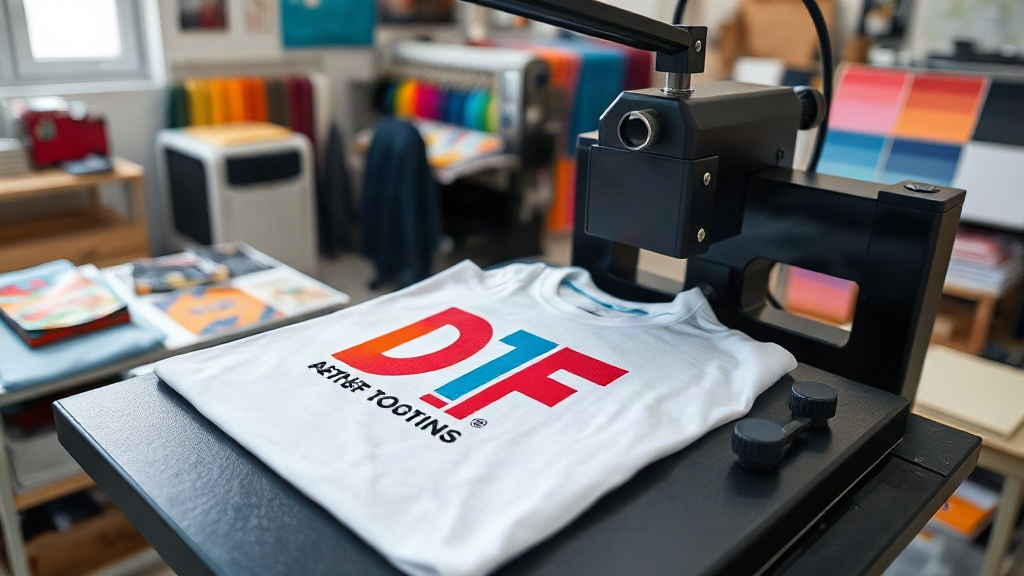
When it comes to custom apparel, DTF Transfers have rapidly become a game-changer for businesses and hobbyists alike. Unlike traditional screen printing or vinyl, DTF transfers offer incredible detail, vibrant colors, and remarkable durability, all without the need for expensive equipment or minimum order quantities. Whether you're a small business owner looking to expand your product line or a DIY enthusiast wanting to create personalized gifts, understanding DTF transfers can save you time and money while delivering professional results.
What Are DTF Transfers?
DTF stands for Direct to Film. It's a printing method where your design is printed onto a special PET film using water-based inks, then coated with a hot-melt adhesive powder. Once the powder is cured, the transfer is ready to be applied to fabric using a heat press. The magic of DTF lies in its versatility: it works on almost any fabric, including cotton, polyester, blends, and even nylon, without the need for pre-treatment. This sets it apart from DTG (Direct to Garment) printing, which often requires 100% cotton and pre-treatment for best results.
The process is relatively simple: print, powder, cure, and press. But within each step, there are nuances that affect the final outcome. For instance, the quality of the film and ink determines the vibrancy and washability. The adhesive powder ensures the transfer bonds to the fabric. And the heat press settings (temperature, pressure, time) are critical for a successful application. In this guide, we'll dive deep into each aspect so you can master DTF transfers.
Why Choose DTF Transfers Over Other Methods?
If you're wondering whether DTF is right for your project, consider these advantages:
- No color limitations: DTF can reproduce full-color images, gradients, and fine details that screen printing struggles with. You can print photographic designs without worrying about color separations.
- Fabric versatility: Unlike DTG, which primarily works on cotton, DTF adheres to a wide range of materials. This means you can offer custom designs on polyester performance wear, canvas bags, and even leather.
- Durability: When applied correctly, DTF transfers withstand dozens of washes without fading, cracking, or peeling. They're stretchable, making them ideal for activewear.
- Cost-effective for small batches: No minimums. You can print one-off designs or short runs without setup fees, which is perfect for personalized gifts or testing new designs.
- Soft feel: While not as soft as screen printing, DTF transfers have a relatively thin hand feel, especially compared to heat transfer vinyl (HTV).
However, DTF isn't without its limitations. It may not be the best choice for very large orders where screen printing becomes more economical. Also, the hand feel can be slightly plasticky if too much powder is used. But for many applications, the benefits far outweigh the drawbacks.
How to Choose the Right DTF Transfer for Your Project
Not all DTF transfers are created equal. When sourcing transfers, either from a supplier or by making your own, consider these factors:
1. Film Quality
The PET film should be coated evenly to hold the ink and release it cleanly during pressing. Cheap films can cause ink to flake or transfer incompletely. Look for films designed specifically for DTF; they usually have a matte side (for printing) and a glossy side (for peeling).
2. Ink and Color Vibrancy
High-quality DTF inks produce bright, opaque colors. If you're printing white text on dark fabric, the white ink must be dense enough to stand out. Some suppliers offer pigment inks that are more eco-friendly and have a softer feel.
3. Adhesive Powder
The powder is what makes the transfer stick. It should be evenly applied and cured properly. Too little powder results in poor adhesion; too much creates a stiff, rubbery feel. The ideal particle size is around 80-200 microns, and it should be applied while the ink is still wet.
4. Transfer Size and Detail
DTF can handle intricate details, but extremely fine lines (less than 0.5mm) may not reproduce well. If your design has small text or thin outlines, consider slightly thickening them. Also, ensure the transfer size fits your heat press platen.
Step-by-Step Guide to Applying DTF Transfers
Applying DTF transfers is straightforward if you follow these steps:
- Preheat your heat press: Set the temperature to 325°F (160°C) for cotton, or 300°F (150°C) for polyester. Preheat for at least 30 seconds to ensure even heat.
- Position the transfer: Place the DTF transfer on the garment with the printed side facing up. The adhesive side should be against the fabric.
- Press: Apply medium to firm pressure for 15-20 seconds. Use a Teflon sheet or parchment paper over the transfer to protect it.
- Peel: Wait a few seconds, then peel the film off while it's still warm (warm peel). If you wait too long, it may become difficult to peel.
- Post-press: For added durability, cover the design with parchment and press again for 5-10 seconds. This helps the adhesive fully bond.
Always test on a scrap piece of fabric first to dial in your press settings. Different fabrics and transfer brands may require slight adjustments.
Caring for DTF Transfers: Tips for Longevity
To keep your DTF-printed apparel looking new, follow these care instructions:
- Wait 24 hours before washing to allow the adhesive to fully cure.
- Turn the garment inside out before washing.
- Use cold water and a gentle cycle.
- Avoid bleach and fabric softeners, which can degrade the adhesive.
- Tumble dry on low heat or hang dry. High heat can cause cracking.
- If ironing is needed, iron inside out and avoid direct heat on the design.
With proper care, DTF transfers can last 50+ washes without noticeable fading.
Common Mistakes to Avoid with DTF Transfers
Even experienced crafters can run into issues. Here are some pitfalls and how to avoid them:
- Insufficient pressure: If the transfer doesn't adhere well, increase pressure. But don't overdo it, or the design may spread.
- Wrong temperature: Too hot and the film may melt; too cold and the adhesive won't activate. Use an infrared thermometer to verify.
- Peeling too soon or too late: Warm peel is generally best. If it's too hot, the design may stretch; too cold, and it may crack.
- Not using a cover sheet: Direct contact with the heat press can scorch the transfer. Always use a Teflon sheet or parchment.
- Over-powdering: Excess powder leads to a rough texture. Shake off excess gently before curing.
Frequently Asked Questions About DTF Transfers
Can I use DTF transfers on 100% polyester?
Yes, DTF transfers work beautifully on polyester, including performance fabrics. However, polyester is heat-sensitive, so lower the temperature to around 280-300°F and test first to avoid scorching or dye migration.
How long do DTF transfers last?
With proper application and care, DTF transfers can last as long as the garment itself, often exceeding 50 washes. The key is using quality materials and following correct wash instructions.
Do I need a special printer for DTF?
You can convert an existing inkjet printer to DTF by using DTF inks and film, but dedicated DTF printers are available and offer better reliability. For occasional use, outsourcing to a DTF transfer supplier is more cost-effective.
What's the difference between DTF and DTG?
DTG prints directly onto the fabric, while DTF prints onto a film that is then transferred. DTF works on more fabric types and doesn't require pre-treatment, but DTG can have a softer feel on cotton.
Can I stretch DTF transfers?
Yes, DTF transfers are stretchable, making them suitable for athletic wear. However, excessive stretching may cause cracking over time. Choose designs with some flexibility.
Final Thoughts
DTF Transfers have democratized custom apparel, allowing anyone to create professional-grade prints without a huge investment. By understanding the technology, selecting quality supplies, and mastering application techniques, you can achieve stunning results that rival traditional methods. Whether you're printing t-shirts for your brand or personalized gifts for friends, DTF is a versatile and reliable choice. Remember to practice, experiment, and always test before production. With the tips in this guide, you're well on your way to becoming a DTF pro.