
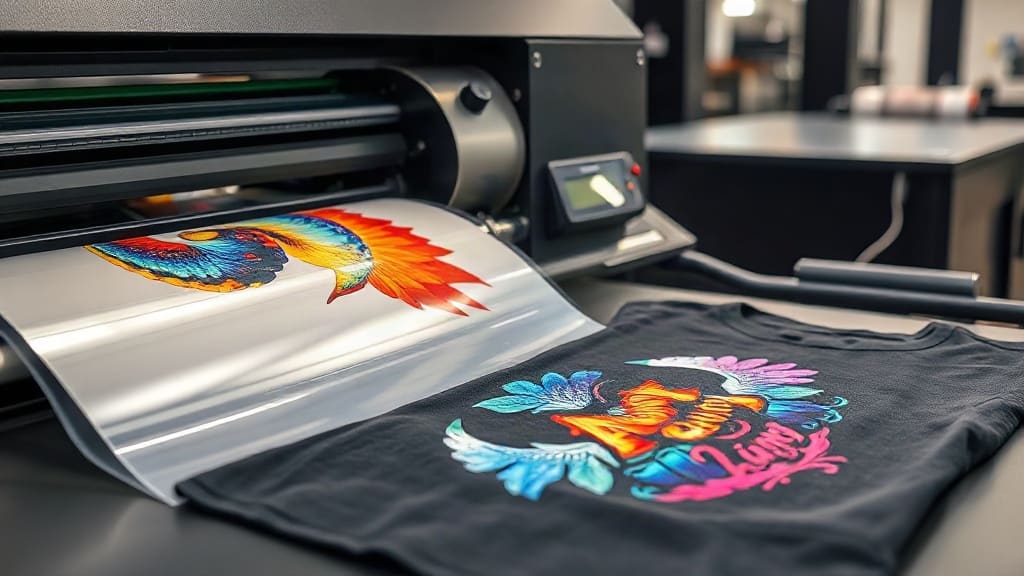
DTF transfers have taken the custom apparel printing world by storm, offering a versatile and vibrant alternative to traditional methods like screen printing and heat transfer vinyl. Whether you're a hobbyist looking to print your own t-shirts or a business owner aiming to expand your product line, understanding this technology can open up a world of possibilities. In this guide, we'll delve into everything you need to know about DTF printing, from the basics to pro tips, so you can make informed decisions and create stunning custom garments.
What Are DTF Transfers?
DTF stands for Direct to Film. It's a printing method where a design is printed onto a special film using a specialized printer and pigment inks. The printed film is then coated with an adhesive powder, which is melted to create a sticky layer. Finally, the film is placed onto a garment and heat-pressed, transferring the design onto the fabric. The result is a soft, durable, and highly detailed print that can be applied to various materials.
How DTF Transfers Work: Step-by-Step
To truly appreciate DTF transfers, it helps to understand the process. Here's a step-by-step breakdown:
- Design and Printing: Create or select your design using graphic software. Print it onto a special PET film using a DTF printer equipped with white ink and CMYK colors. The white ink is crucial as it acts as a base for vibrant colors on dark fabrics.
- Adhesive Application: While the ink is still wet, apply a hot-melt adhesive powder over the printed design. The powder sticks to the ink areas.
- Drying and Curing: The film is then passed through a dryer or heat tunnel to melt the adhesive powder, bonding it to the ink. This creates a transfer-ready film.
- Application: Cut out the design, place it on your garment (adhesive side down), and apply heat and pressure using a heat press. The transfer peels off the film, leaving the design permanently fused to the fabric.
- Finishing: For optimal durability, you can press again with a silicone sheet or parchment paper to ensure full adhesion.
Advantages of DTF Transfers
Why choose DTF over other methods? Here are some compelling benefits:
- Versatility: DTF works on a wide range of fabrics, including cotton, polyester, blends, and even leather or nylon. It's not limited to light-colored garments; dark fabrics come out beautifully due to the white ink base.
- Vibrant Colors and Detail: The white underbase ensures colors pop, and the print resolution is high, capturing fine details and gradients without extra cost.
- Soft Hand Feel: Unlike thick vinyl or heavy plastisol prints, DTF prints are thin and flexible, making them comfortable to wear.
- Durability: When applied correctly, DTF prints withstand multiple washes without cracking or fading. They can stretch with the fabric without breaking.
- No Screen Setup: Unlike screen printing, there's no need for screens or setup charges. This makes DTF ideal for small runs and on-demand orders.
- Easy for Beginners: With a DTF printer and a heat press, you can start producing professional-looking garments from home with minimal training.
DTF vs. Other Printing Methods
DTF vs. Screen Printing
Screen printing is excellent for large quantities of simple designs, offering low cost per unit. However, it requires significant setup time and is not practical for dtf transfers when you need one-off or multi-colored designs. DTF offers quicker turnaround and no setup costs, making it more flexible for small orders and custom requests.
DTF vs. DTG (Direct to Garment)
DTG prints directly onto the fabric using a printer similar to an inkjet. It works well on cotton but struggles with polyester or dark colors without pre-treatment. DTF transfers can be applied to a wider range of materials and are often more affordable for small batches because you can print multiple transfers on one film and use them later.
DTF vs. Heat Transfer Vinyl
Vinyl is great for simple, cut-out designs and offers a thicker, more plastic feel. But it's not suitable for photographic or multi-color designs. DTF transfers produce full-color, detailed prints that are softer and more durable than vinyl.
Applications and Use Cases
DTF transfers are incredibly versatile, making them perfect for:
- Custom t-shirts, hoodies, and sweatshirts for individuals or groups.
- Sportswear and team uniforms, as the prints can withstand intense use and washing.
- Workwear and promotional merch, where branding needs to be durable and professional.
- Small businesses offering personalized apparel, such as boutiques or online shops.
- Creative projects, like tote bags, pillowcases, and other fabric items.
Tips for Perfect DTF Transfers
To achieve the best results, keep these tips in mind:
- Use High-Quality Materials: Invest in good PET film, quality inks, and reliable adhesive powder. Cheap supplies can lead to poor adhesion or faded colors.
- Calibrate Your Printer: Regularly check your printer's color profiles and ensure the white ink is properly mixed to avoid clogging.
- Control Temperature and Pressure: The heat press should be set to around 160°C (320°F) for cotton and slightly lower for synthetics. Apply medium to firm pressure for 10-15 seconds. Always test on a sample first.
- Peel While Warm or Cold? Typically, you peel the film while it's still warm (about 10-20 seconds after pressing) for a matte finish. For a glossy look, peel cold. Experiment to find your preferred finish.
- Pre-Press Garments: To remove moisture and wrinkles, pre-press your garment for a few seconds before applying the transfer.
- Layer Properly: If you need to layer multiple transfers, always use a Teflon sheet between layers to prevent sticking.
- Storage: Keep unused transfers in a cool, dry place, away from direct sunlight, to maintain their adhesive properties.
Cost Considerations
DTF printing involves an initial investment in a printer (which can range from $500 to $5000 depending on features), films, inks, and adhesive powder. However, the per-print cost is relatively low, especially for small quantities. As you scale up, the costs become highly competitive with other methods. For home users, starting with a small setup may be around $1000, but you can recoup that if you sell your prints.
Frequently Asked Questions
Can DTF transfers be used on any fabric?
Yes, DTF transfers are highly versatile and can be applied to cotton, polyester, blends, and even some synthetic materials. However, always test on a scrap piece first to ensure proper adhesion and durability, as some high-stretch or water-repellent fabrics may require special care.
How many washes can a DTF print last?
With proper application and care, DTF prints can withstand 50 or more washes without significant fading or cracking. Washing inside out in cold water and air drying can extend the life of the print. Avoid using bleach or fabric softeners, which can degrade the adhesive layer.
Do I need a special printer for DTF?
Yes, you need a printer that can handle white pigment ink, which is thicker and more prone to clogging. Many manufacturers offer dedicated DTF printers, or you can convert some eco-solvent or UV printers. It's essential to use a printer designed for DTF to ensure reliable performance.
What are the common mistakes to avoid in DTF printing?
One common mistake is using too little adhesive powder, leading to poor adhesion. Another is pressing with too low temperature or pressure, which prevents the adhesive from melting properly. Also, failing to shake the white ink regularly can cause separation and clogging. Always follow manufacturer guidelines and test your settings.
Is DTF printing suitable for small business?
Absolutely. DTF is perfect for small businesses because it allows you to produce high-quality custom prints without large minimum orders. You can print on demand, reduce inventory, and offer personalized products. Plus, the equipment costs are lower than screen printing setups.
Final Thoughts
DTF transfers offer an accessible, cost-effective, and high-quality solution for custom apparel printing. Whether you're starting a side hustle or want to give your wardrobe a personal touch, this technology empowers you to create professional results at home. By understanding the process, following best practices, and avoiding common pitfalls, you'll be able to produce vibrant, durable prints that stand out. So why wait? Dive into the world of DTF and see your creative visions come to life on fabric.