
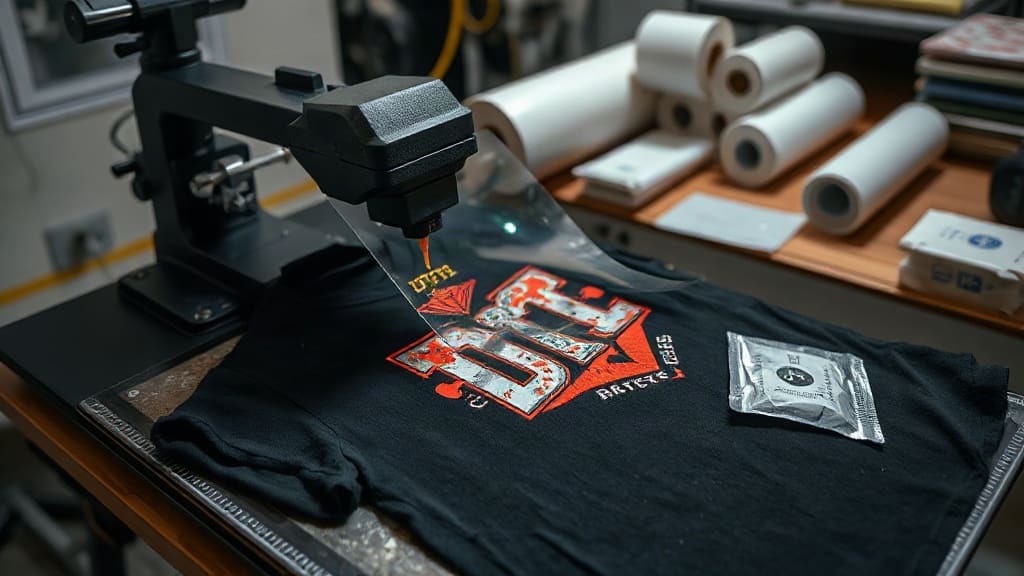
DTF transfers have taken the custom printing world by storm. If you're looking for a way to create vibrant, durable designs on shirts, hoodies, and more, this guide is for you. Whether you're a small business owner, a DIY enthusiast, or just curious about this printing method, you'll find everything you need to know here.
What Are DTF Transfers?
DTF transfers (Direct to Film) are a method of printing where designs are printed onto a special film, coated with adhesive powder, and then heat-pressed onto fabric. Unlike traditional screen printing or heat transfer vinyl, DTF allows for intricate, full-color designs without the need for weeding or complex setup.
The process begins with a printed design on PET film. After printing, the film is coated with a hot-melt adhesive powder, which is then melted and cured. The final product is a transfer that can be applied to a variety of fabrics, including cotton, polyester, and blends.
How Do DTF Transfers Work?
Understanding the mechanics helps you appreciate why DTF transfers are so popular. Let's break it down step by step:
- Design Creation: You create your artwork using graphic design software. It's crucial to ensure the design is high resolution and in the correct color profile.
- Printing: Using a DTF printer, the design is printed onto a special PET film with CMYK+W inks. White ink is printed underneath the colored design to ensure opacity, especially on dark fabrics.
- Powder Application: The printed film is then covered with a thermoplastic adhesive powder. This powder sticks to the wet ink and is then melted using heat to create a strong bond.
- Curing: The film is passed through a curing oven or heat press to properly melt the powder, creating a solid adhesive layer.
- Transfer: To apply the transfer, you place the film (powder side down) onto the garment and apply heat and pressure with a heat press. After peeling, the design is transferred to the fabric.
Why Choose DTF Transfers?
There are several reasons why DTF transfers are preferred over other methods:
- Versatility: They work on a wide range of fabrics, including cotton, polyester, silk, and even denim.
- No Weeding: Unlike heat transfer vinyl, there's no need to manually weed out excess material. This saves time and labor.
- Full-Color Designs: DTF can print complex, colorful graphics with gradients and details that are difficult with other methods.
- Durability: When applied correctly, DTF prints can withstand many washes without cracking or fading.
- Cost-Effective: For small to medium runs, DTF transfers are often more affordable than screen printing, which has high setup costs.
DTF Transfers vs. Other Methods
DTF vs. Screen Printing
Screen printing requires screens, which are expensive to create for each design. It's best for large quantities of the same design. DTF transfers are more flexible for short runs and offer finer detail and color gradients.
DTF vs. Heat Transfer Vinyl (HTV)
HTV is great for simple designs with limited colors, but it requires weeding and is not suitable for detailed, full-color images. DTF transfers can handle any design with no weeding.
DTF vs. Direct-to-Garment (DTG)
DTG prints directly onto the garment and is excellent for high-detail prints, but it's slower and the printer cost can be high. DTF transfers allow you to print on demand and apply them anywhere, making them more flexible for small businesses.
How to Get Started with DTF Transfers
If you're eager to try DTF transfers, here's what you need:
Essential Equipment
- DTF Printer: There are dedicated DTF printers, but you can also convert an Epson inkjet printer with DTF conversion kits.
- Heat Press: A clamshell or swing-away press with adjustable temperature and pressure.
- PET Film: Specifically designed for DTF printing.
- DTF Powder: Adhesive powder that comes in different micron sizes.
- Curing Oven or Heat Gun: To melt the powder evenly.
Step-by-Step Process
- Print your design onto PET film using DTF inks.
- While the ink is still wet, sprinkle the adhesive powder over the design.
- Remove excess powder by shaking gently.
- Place the film in a curing oven or use a heat gun to melt the powder. The film will become slightly translucent.
- Cut around the design, leaving a margin.
- Press the film onto your garment using a heat press at around 320°F for 15 seconds with medium pressure.
- Peel the film while hot or cold, depending on the manufacturer's instructions.
Tips for Perfect DTF Transfers
To ensure your DTF transfers come out flawless, keep these tips in mind:
- Use High-Quality Files: The better your source image, the better the print. Use vector files or high-resolution PNGs.
- Calibrate Your Printer: Regularly check color settings to ensure accurate reproduction.
- Test Transfers: Before committing to a large run, always do a test transfer on a sample fabric.
- Maintain Your Equipment: Clean your printer heads and heat press regularly to avoid issues.
- Follow Powder Guidelines: Use the recommended powder amount and curing time for the best adhesion.
Common Mistakes and How to Avoid Them
Even experienced printers can run into problems. Here are common issues and solutions:
- Poor Adhesion: If the design peels off, you may not have used enough powder or the curing time was insufficient. Increase powder and curing time.
- Bleeding Colors: This happens if the ink is not dried properly before applying powder. Ensure proper ink drying.
- Wrinkles in Film: Store film properly and don't let it curl.
- Ghosting: If the design appears double, you might have moved the film during pressing. Keep it stable.
Applications of DTF Transfers
DTF transfers are incredibly versatile. They can be used for:
- Custom t-shirts and apparel
- Tote bags and accessories
- Sports jerseys and uniforms
- Promotional products
- Personalized gifts
Frequently Asked Questions
How many washes can DTF transfers withstand?
With proper application, DTF transfers can last up to 50 washes or more without significant fading or cracking. It's important to wash garments inside out in cold water and avoid using bleach.
Can I use DTF transfers on dark fabrics?
Yes, DTF transfers are perfect for dark fabrics. The white ink layer ensures that colors remain vibrant and opaque, even on black or navy.
Do I need a special printer for DTF transfers?
Yes, you need a DTF printer or a converted Epson printer that uses DTF inks. Regular inkjet printers won't work because DTF requires specialized pigments and white ink.
How do I store DTF films?
Keep films in a cool, dry place away from direct sunlight. Store them flat to prevent curling, and use them within a few months of purchase for best results.
Can I make DTF transfers at home?
Absolutely! With the right equipment, you can make professional-quality DTF transfers at home. It's a great way to start a small business or produce custom items for personal use.
Final Thoughts
DTF transfers offer a fantastic combination of quality, versatility, and ease of use. Whether you're just starting or looking to upgrade your printing capabilities, DTF is a solid investment. By following the techniques and tips outlined here, you'll be able to create impressive, durable custom apparel that will satisfy your clients or delight your friends and family. So why not give it a try? The world of DTF awaits you.