
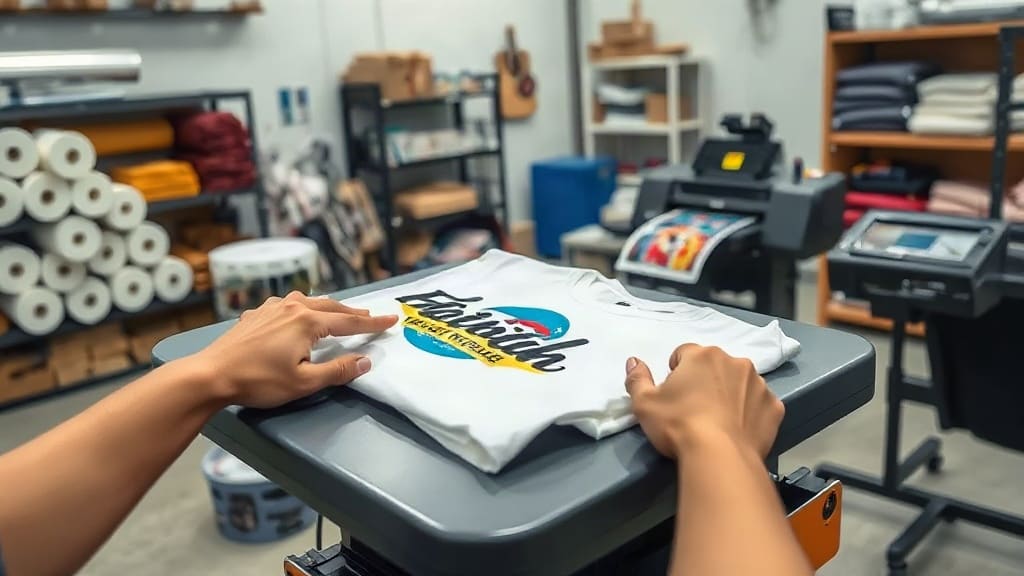
Are you searching for DTF printing services in your area? You're not alone. The demand for DTF transfers has skyrocketed recently, and for good reason. This innovative printing method offers vibrant colors, durability, and versatility, making it a favorite among small business owners, custom apparel creators, and hobbyists alike. But finding the right DTF transfers near me can be a challenge, especially with so many options popping up. In this guide, we'll walk you through everything you need to know about locating and choosing the best local DTF transfer providers.
Why Choose DTF Transfers?
Before diving into how to find the best DTF transfers, it's essential to understand why this method stands out. DTF, which stands for Direct to Film, involves printing your design onto a special film, applying adhesive powder, and then heat-pressing it onto fabric. Unlike traditional screen printing, DTF works on a wide range of materials, including cotton, polyester, blends, and even leather. The colors are incredibly vibrant, and the prints can withstand repeated washing without cracking or fading. Plus, DTF allows for intricate details and gradients that are hard to achieve with other methods.
How to Search for DTF Transfers Near Me
The phrase "DTF transfers near me" is not just a search query; it's a starting point for finding local businesses that can provide you with high-quality transfers. Here are some effective ways to find them:
1. Use Local Search Engines and Maps
Start by typing "DTF transfers near me" into Google or Bing. The results will show you a list of nearby businesses, along with their ratings, reviews, and contact information. Use Google Maps to see their physical locations and get directions. This is a quick way to identify potential providers in your area.
2. Check Social Media Groups and Communities
Platforms like Facebook have numerous groups dedicated to custom printing, small business owners, and local vendors. Join these groups and ask for recommendations. You can also search for hashtags like #DTFtransfers or #localDTF on Instagram to see who's offering these services nearby. Often, local businesses showcase their work on social media, giving you a sense of their quality and style.
3. Ask for Referrals from Other Businesses
If you're already in the printing or apparel business, reach out to other entrepreneurs or local shops. They might have used DTF transfer services and can point you to reliable providers. Word-of-mouth referrals are incredibly valuable because they come from first-hand experience.
4. Visit Trade Shows and Local Craft Fairs
Trade shows and craft fairs are excellent places to meet DTF transfer providers in person. You can see their products, ask questions, and even get samples. Many providers attend these events to network and showcase their capabilities. Check local event listings to find upcoming shows in your area.
What to Look for in a DTF Transfer Provider
Once you've identified a few potential providers, it's crucial to evaluate them carefully. Not all DTF transfer services are created equal. Here are key factors to consider:
Quality of Prints
The most important aspect is the quality of the prints. Look for providers who use high-resolution printers, premium films, and quality adhesive powders. Ask for samples or a test print. Examine the color vibrancy, the sharpness of details, and the feel of the transfer. A good DTF transfer should have a soft hand and not feel stiff or rubbery.
Materials Used
Inquire about the brands of film and ink they use. Top-notch providers often use well-known brands like Epson, Brother, or Roland for printing, and high-quality PET film. The adhesive powder should be fine and evenly applied to ensure strong adhesion and stretchability.
Turnaround Time
If you're running a business, timely delivery is crucial. Ask about their production and shipping times. Some providers offer rush services for an extra fee. Make sure they can meet your deadlines, especially during peak seasons.
Pricing and Minimum Orders
Compare prices among different providers, but don't automatically go for the cheapest option. Very low prices might indicate compromised quality. Also, check if they have minimum order quantities. Some providers accept single-piece orders, while others require bulk. Ensure their pricing structure fits your budget and order volume.
Customer Support and Communication
Good customer service is a sign of a reliable provider. They should be responsive to your inquiries, provide clear instructions, and be willing to help with any issues that arise. A provider that values communication is more likely to deliver a positive experience.
Benefits of Using Local DTF Transfer Services
Choosing a local provider has several advantages beyond just convenience. Here are some benefits to consider:
Faster Turnaround
Local providers can often complete your order faster because there's no shipping time involved. You can even pick up your transfers in person if needed. This is especially beneficial if you have last-minute orders or need to meet tight deadlines.
Supporting Local Economy
By choosing a local business, you're contributing to your community's economic growth. This can foster a positive relationship and lead to collaborative opportunities in the future.
Face-to-Face Interaction
Working with someone in person allows you to discuss your requirements in detail, show them your designs, and get immediate feedback. This can reduce misunderstandings and ensure the final product meets your expectations.
Potential for Customization
Local providers may be more flexible when it comes to customization. They can offer advice on file formats, color matching, and design adjustments, helping you achieve the best possible outcome.
How to Ensure the Best Results with Your DTF Transfers
Once you've selected a provider, there are steps you can take to ensure your DTF transfers turn out perfectly. Here are some tips:
Prepare Your Files Correctly
Make sure your design files are in the correct format and resolution. Most providers accept PNG, JPEG, or PDF files with high resolution (at least 300 DPI). If your design includes text, ensure it's converted to outlines or curves to avoid font compatibility issues.
Choose the Right Color Mode
For vibrant colors, use CMYK color mode for your designs. This ensures that the colors you see on your screen are closely matched in the final print. Some providers also offer Pantone color matching for brand consistency.
Communicate Your Requirements Clearly
Be explicit about your expectations regarding size, placement, and quantity. If you need the transfers to be cut individually or in sheets, specify that. Clear communication prevents errors and saves time.
Test with a Small Order
If you're trying a new provider, place a small test order first. This allows you to evaluate the quality and build confidence before committing to a large order. It's a wise investment in the long run.
Common Mistakes to Avoid When Sourcing DTF Transfers
Even with careful planning, it's easy to make mistakes. Here are some pitfalls to avoid:
Ignoring Reviews and Ratings
Don't overlook the experiences of previous customers. Online reviews and ratings provide valuable insights into a provider's reliability and product quality. If a business has consistently poor reviews, it's best to look elsewhere.
Choosing Based Solely on Price
While budget is important, prioritizing cost above all else can lead to subpar results. Quality DTF transfers require good materials and equipment, which cost money. If a deal seems too good to be true, it probably is.
Not Asking for Samples
Samples are essential for assessing quality. Don't hesitate to request a sample before placing a large order. A reputable provider will be happy to provide one, sometimes free of charge or at a minimal cost.
Overlooking Hidden Fees
Some providers may charge extra for setup, color matching, or shipping. Make sure to ask for a detailed quote that includes all potential fees. This prevents unpleasant surprises on your final invoice.
Conclusion: Making the Right Choice
Finding the best DTF transfers near me requires a bit of research and due diligence, but it's well worth the effort. By using local search tools, asking for referrals, and evaluating providers based on quality, materials, turnaround, and customer service, you can find a partner that meets your needs and helps bring your creative visions to life. Remember to prepare your files correctly, test with small orders, and avoid common pitfalls. With the right provider, you'll enjoy the benefits of vibrant, durable, and versatile DTF transfers for all your printing projects.
Frequently Asked Questions
What is the minimum order quantity for DTF transfers?
Minimum order quantities vary by provider. Some accept single-piece orders, while others require a minimum of 10 or more. When searching for DTF transfers near me, ask each provider about their MOQ. If you're a small business or individual, look for providers that offer low or no minimums to avoid overstock.
How long do DTF transfers last on garments?
With proper care, DTF transfers can last as long as the garment itself. They are highly durable and can withstand repeated washing without cracking or fading. To maximize longevity, wash garments inside out in cold water and avoid using bleach or fabric softeners. Tumble drying on low heat is also recommended.
Can DTF transfers be used on any fabric?
Yes, DTF transfers are incredibly versatile and can be applied to a wide range of fabrics, including cotton, polyester, blends, nylon, and even leather. However, the best results are achieved on materials with a smooth surface. For very stretchy fabrics, ensure the adhesive powder is applied properly to maintain flexibility.
How do I store unused DTF transfers?
Unused DTF transfers should be stored in a cool, dry place away from direct sunlight and moisture. Keep them flat in a sealed plastic bag or container to prevent dust and humidity from affecting the adhesive. Proper storage ensures they remain usable for an extended period.
What file formats do DTF providers require?
Most DTF providers accept vector files like AI, EPS, or PDF for crisp results, but they also accept high-resolution raster files like PNG or JPEG with transparent backgrounds. Ensure your files are at least 300 DPI to avoid pixelation. If you're unsure, contact the provider for their specific requirements.
Armed with this knowledge, you're now ready to find the perfect DTF transfer provider near you. Take the time to research, ask questions, and test quality. Your efforts will pay off in the form of beautiful, long-lasting prints that elevate your products or projects.