
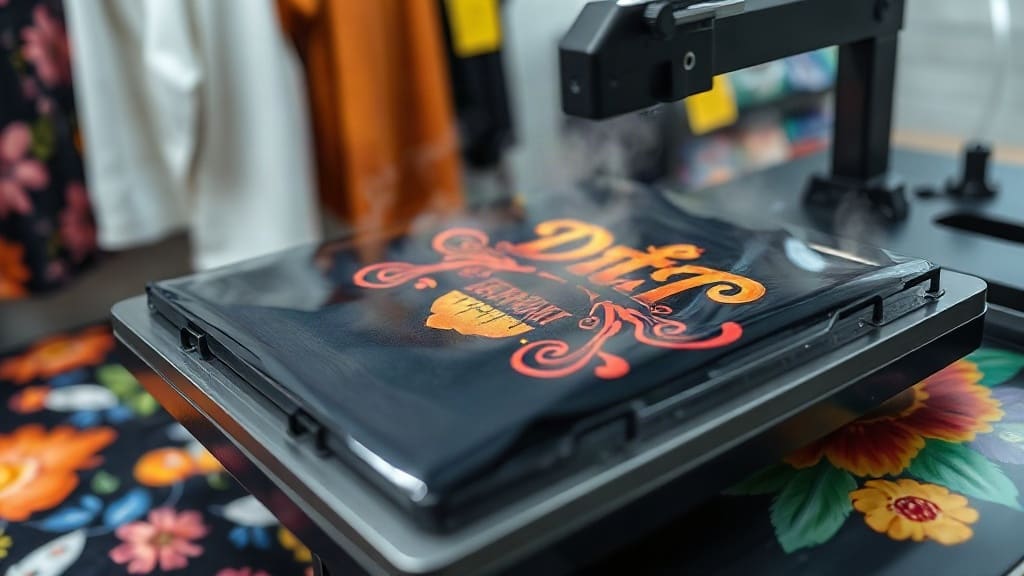
If you're in the custom apparel business or just love making your own shirts, you've probably heard about DTF (Direct to Film) printing. It's a game-changer for producing vibrant, durable designs without the hassle of screen printing setups. But when you need transfers quickly, searching for "DTF transfers near me" is often the first step. In this article, I'll share my experience and insights on how to find the best local providers, what to look for, and how to ensure you get top-notch results every time.
What Are DTF Transfers?
DTF transfers are printed designs on a special film that can be applied to fabrics using a heat press. Unlike traditional screen printing, DTF allows full-color prints with no minimum order quantities, making it perfect for small batches or one-off items. The process involves printing a design onto a PET film, applying adhesive powder, and then heat-pressing it onto the garment. The result is a soft, stretchable print that lasts long.
I remember when I first started using DTF transfers for my side business. The convenience was unbeatable. I could order just a few transfers, press them on shirts, and sell them at local markets. The quality was surprisingly good, and my customers loved the vibrant colors. But finding a reliable supplier was a learning curve.
Why Choose Local DTF Transfer Providers?
When you search for "DTF transfers near me," you might wonder why not just order online from a distant company. Local providers offer several advantages:
- Faster turnaround: No long shipping times; you can get your transfers quickly, often within a day or two.
- Personal consultation: You can visit their shop, see samples, and discuss your project face-to-face.
- Support local business: You're helping your community's economy.
- Easier problem-solving: If something goes wrong, you can talk directly to the printer.
How to Find DTF Transfer Services in Your Area
Finding a local DTF printer isn't as hard as you might think. Here are some effective ways:
1. Use Search Engines Effectively
A simple Google search for "DTF transfers near me" is a good start. But don't stop there. Try variations like "DTF printing [your city]" or "custom DTF transfers nearby." Look at the map results and read reviews.
2. Check Social Media and Online Communities
Facebook groups for custom apparel, local business pages, and Instagram hashtags like #DTFtransfers or #[yourcity]smallbusiness can lead you to local providers. I found my go-to DTF printer through a local Facebook group for crafters.
3. Ask at Local Print Shops
Even if a print shop doesn't offer DTF in-house, they often know who does. They might even outsource their DTF work to a nearby specialist. Don't hesitate to ask.
4. Visit Local Craft Fairs or Trade Shows
Vendors at these events often use custom transfers. Ask them where they get their supplies. Many are happy to share.
What to Look for in a DTF Transfer Provider
Not all DTF printers are created equal. Here are key factors to consider when evaluating a local provider:
Quality of Prints
Ask to see samples. Look for vibrant colors, sharp details, and no cracking or peeling after washing. A good provider will be proud to show their work.
Film and Ink Quality
High-quality materials make a difference. Ask about the type of film and ink they use. Cheaper options might save money initially but could lead to poor results or durability issues.
Turnaround Time
If you need transfers for a client's order, you can't wait forever. Ask about their typical turnaround and rush options.
Pricing Transparency
Good providers give clear quotes based on size, quantity, and complexity. Be wary of hidden fees.
Customer Service
You want someone who responds quickly, answers your questions, and offers helpful advice. Test their responsiveness before committing.
Tips for Working with a Local DTF Transfer Shop
Once you've found a promising provider, here are some tips to ensure a smooth experience:
Prepare Your Artwork Correctly
Make sure your designs are high-resolution (at least 300 DPI) and in the right color format (CMYK or RGB, depending on their requirements). Most printers appreciate vector files like SVG or AI for best results.
Understand Sizing and Placement
Provide clear specifications for size and placement on the garment. If you're unsure, ask for guidance. A good printer can advise on optimal dimensions.
Order a Test Run
Before ordering a large batch, get a few test transfers to check the quality and see how they press. This step has saved me from many disasters.
Ask About Pressing Instructions
Each transfer might have specific temperature, time, and pressure recommendations. Make sure to ask and follow them precisely to get the best adhesion.
Common Mistakes to Avoid When Choosing DTF Transfers
From my own trial and error, I've learned a few things to avoid:
- Choosing solely on price: The cheapest option often leads to poor quality or fading after a few washes.
- Ignoring reviews: Take time to read reviews on Google or Yelp. Look for patterns, like consistent complaints about durability.
- Not asking about minimum orders: Some shops have high minimums, which might not suit your needs.
- Forgetting to verify they can handle your specific garment types: For example, not all DTF transfers work well on performance fabrics. Ask if they have suitable adhesives.
How to Press DTF Transfers Correctly
Even the best DTF transfer will fail if not pressed correctly. Here's a basic guide to ensure success:
- Pre-press your garment for a few seconds to remove moisture and wrinkles.
- Place the transfer on the garment with the film side up.
- Use a heat press at about 160°C (320°F), medium to firm pressure, for 10-15 seconds (always follow the supplier's recommendations).
- Peel the film while it's still warm (hot peel) or cold, depending on the transfer type. Most DTF transfers are hot peel.
- For extra durability, cover with a Teflon sheet and press again for a few seconds.
Cost Considerations for DTF Transfers
The cost of DTF transfers varies based on size, quantity, and provider. Typically, prices range from $1 to $5 per transfer for standard sizes. Bulk orders usually reduce the per-unit cost. When comparing prices, factor in shipping or travel time if you're picking up locally.
Conclusion
Finding a reliable local provider for DTF transfers doesn't have to be a daunting task. By using the right search strategies, evaluating providers carefully, and following best practices, you can get high-quality transfers that make your projects shine. Remember, the goal is not just to find "DTF transfers near me," but to find a partner who delivers consistent quality and service.
I hope this guide, drawn from my own experiences, helps you make an informed choice. Whether you're a hobbyist or a growing business, the right local DTF printer can be a valuable asset.
Frequently Asked Questions
How long do DTF transfers last on garments?
With proper application and care, DTF transfers can last as long as the garment itself, typically surviving 50 or more washes without significant fading or cracking. To maximize lifespan, wash inside out in cold water and avoid using bleach or fabric softeners.
Can I use DTF transfers on any fabric?
DTF transfers work best on cotton, polyester, and blends. They can also be applied to other materials like nylon, but the durability may vary. Always test on a small area if you're unsure about a particular fabric type.
Do I need a heat press for DTF transfers, or can I use a home iron?
While a heat press is recommended for consistent results, you can use a home iron with firm pressure and exact temperature control. However, ironing is less reliable and may not achieve the same adhesion and durability. If you're serious about quality, invest in a heat press.
What is the difference between DTF and DTG printing?
DTF (Direct to Film) prints onto a film that is then heat-pressed onto the fabric, while DTG (Direct to Garment) prints directly onto the garment. DTF offers more versatility in terms of fabric types and doesn't require pre-treatment, making it a popular choice for small batches and mixed orders.
Can I order DTF transfers in small quantities?
Yes, one of the main advantages of DTF is that there are no minimum order quantities. Even a single transfer is possible, although some providers may charge a setup fee. This makes DTF ideal for testing designs or fulfilling small custom orders.