
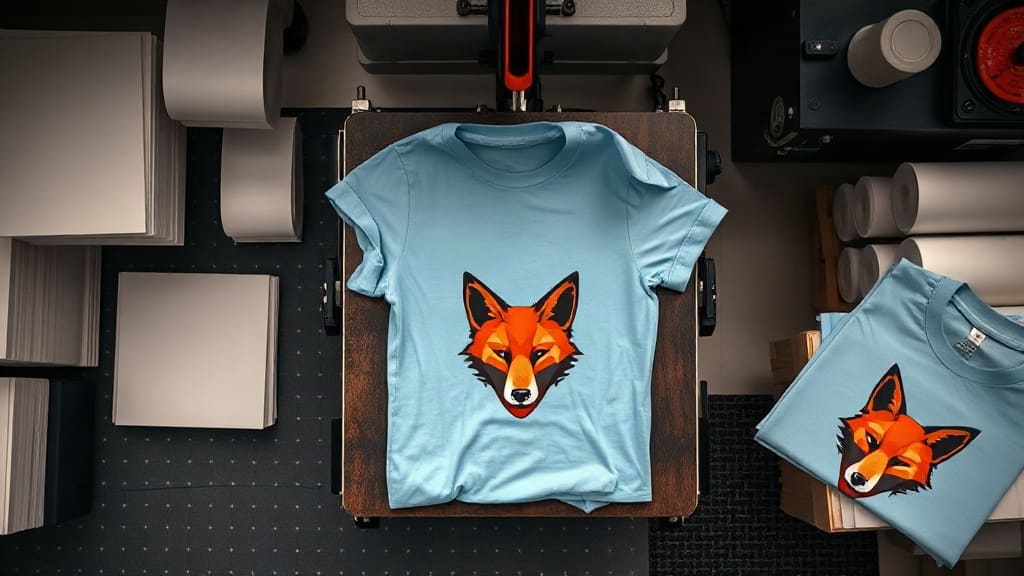
DTF transfers have taken the custom printing world by storm. If you're new to this technology, you might be wondering what makes them so special. Unlike traditional methods like screen printing or vinyl, DTF (Direct to Film) offers incredible versatility, vibrant colors, and exceptional durability. In this guide, I'll walk you through everything you need to know, from how they're made to how to apply them for the best results.
What Are DTF Transfers?
DTF transfers are designs printed onto a special film using a DTF printer. The printer uses CMYK plus white ink to create the image, which is then coated with a hot-melt adhesive powder. Once the powder is cured, the transfer is ready to be applied to fabric using a heat press. The result is a soft, flexible, and highly detailed print that can be applied to a wide range of materials.
How DTF Transfers Differ from Other Methods
Compared to screen printing, DTF transfers don't require screens or setup, making them ideal for small orders and custom one-offs. Unlike vinyl, they can produce full-color designs with gradients and photographic details. And while sublimation is limited to polyester, DTF works on cotton, blends, and even some hard surfaces.
Benefits of Using DTF Transfers
There are several reasons why DTF has become a favorite among print shops and DIY enthusiasts:
- Versatility: Apply to cotton, polyester, blends, and even denim. You're not tied to one fabric type.
- High Detail: The printing process captures fine lines and vibrant colors, making it perfect for logos and artwork.
- Soft Hand Feel: The adhesive layer is thin, so the print doesn't feel heavy or stiff on the garment.
- Durability: When applied correctly, DTF transfers can withstand many washes without cracking or fading.
- Cost-Effective for Small Runs: No setup costs mean you can print just one item if needed.
How to Apply DTF Transfers
Applying DTF transfers is straightforward, but following the right steps ensures the best adhesion and longevity.
Step-by-Step Application Process
- Pre-press: Place your garment on the heat press and pre-press for 3-5 seconds to remove moisture and wrinkles.
- Position: Place the DTF transfer face down on the garment where you want the design.
- Press: Apply heat and pressure. Typically, 300-320°F (150-160°C) for 10-15 seconds at medium pressure works well. Check your transfer's specific instructions.
- Peel: Wait a few seconds, then peel the film off. You can do a hot peel or cold peel, depending on the transfer type.
- Post-press: For extra durability, cover the design with a Teflon sheet and press again for 5 seconds.
Tips for Perfect Results
- Use a good quality heat press that provides consistent pressure.
- Always perform a test press on a scrap garment.
- Don't over-press, as it can cause the adhesive to bleed.
- Wash garments inside out to prolong the life of the print.
Common Uses for DTF Transfers
DTF transfers are incredibly versatile, making them suitable for:
- Custom t-shirts for events, teams, or businesses.
- Personalized gifts like hoodies or bags.
- Workwear with company logos.
- Art prints and merchandise for creators.
- Pet apparel and accessories.
Choosing the Right DTF Transfer Supplier
If you're not printing your own transfers, you'll need a reliable supplier. Look for companies that use high-quality inks and adhesives, and check reviews for print quality and durability. At DTFWorlds, we specialize in producing top-notch DTF transfers with a focus on detail and wash resistance.
What to Look For in a Supplier
- Clear pricing and no hidden fees.
- Fast turnaround times.
- Ability to handle complex designs.
- Good customer support.
Frequently Asked Questions
Can DTF transfers be used on dark fabrics?
Yes, DTF transfers are perfect for dark fabrics because they include a white underbase layer. This ensures that colors remain vivid and opaque, even on black or navy garments.
How many washes can a DTF transfer withstand?
With proper application and care, DTF transfers can typically withstand over 50 washes without significant fading or cracking. The key is to follow the recommended press time and temperature, and to wash inside out in cold water.
Do I need a special printer to make DTF transfers?
Yes, DTF printing requires a printer that can print with white ink and use DTF film. Many users convert standard Epson printers, but dedicated DTF printers are also available for higher volumes.
Are DTF transfers eco-friendly?
DTF uses water-based inks, which are more environmentally friendly than plastisol inks used in screen printing. However, the film and adhesive powder are not biodegradable, so proper disposal is important.
Can I apply DTF transfers with a home iron?
While it's possible to use a home iron, it's not recommended because irons don't provide even pressure or consistent heat. For best results, use a heat press to ensure proper adhesion and durability.
Final Thoughts
DTF transfers offer a fantastic blend of quality, versatility, and ease of use. Whether you're starting a clothing brand or just want to personalize your own gear, this printing method is worth considering. With the right approach and a trusted supplier, you can create stunning, long-lasting prints that stand out. If you have any questions or need high-quality transfers, feel free to reach out to us at DTFWorlds. Happy printing!