
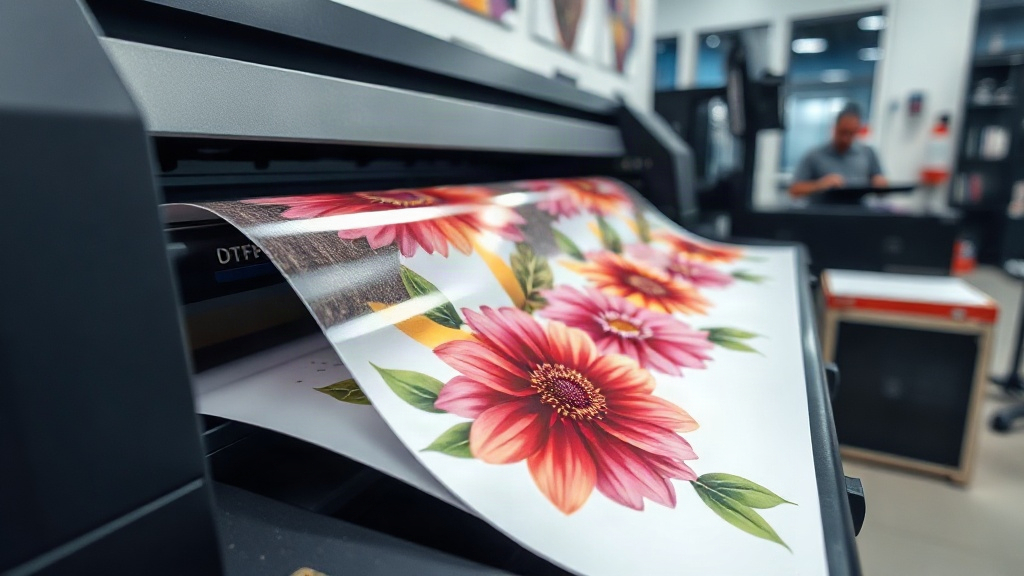
If you've been exploring custom apparel, you've likely encountered DTF printing. This innovative technology is transforming how creators and businesses produce vibrant, durable designs on various fabrics. Unlike traditional methods, DTF printing offers flexibility and quality that's hard to beat. In this guide, we'll walk you through everything you need to know about DTF printing, from its mechanics to practical tips for getting started.
What is DTF Printing?
DTF stands for Direct to Film. It's a printing process where your design is printed onto a special film, coated with adhesive powder, and then heat-pressed onto the fabric. This method eliminates the need for weeding and allows for intricate details and full-color graphics. The result is a soft, stretchable print that adheres well to cotton, polyester, and blends.
How Does DTF Printing Work?
The DTF process involves several key steps:
- Design Preparation: Your artwork is prepared digitally, ensuring it's in the correct color mode (usually CMYK) and at high resolution.
- Printing: A specialized DTF printer prints the design onto a PET film using pigment inks. A white ink layer is often added as a base to make colors pop on dark fabrics.
- Powdering: While the ink is still wet, a hot-melt adhesive powder is applied evenly over the print. Excess powder is shaken off.
- Curing: The film with the powder is heated to melt the adhesive, creating a dry, tacky surface.
- Transfer: The film is placed onto the fabric and heat-pressed. After cooling, the film is peeled away, leaving the design bonded to the fabric.
Why Choose DTF Printing?
DTF printing has gained popularity for several compelling reasons:
- Versatility: It works on a wide range of fabrics, including cotton, polyester, blends, and even leather. No need for pre-treatment.
- Detail and Color: It reproduces fine details, gradients, and photorealistic images with vibrant colors.
- Durability: Prints are stretchable and resistant to cracking, peeling, and fading when properly applied.
- Efficiency: No weeding or cutting required, saving time and labor.
- Cost-Effective: For small to medium batches, DTF can be more affordable than screen printing or DTG.
DTF vs. Other Printing Methods
Understanding how DTF compares to other techniques can help you choose the right method for your project.
DTF vs. DTG (Direct to Garment)
DTG prints directly onto the fabric, often requiring pre-treatment for dark shirts. It works best on 100% cotton. DTF, on the other hand, can be used on many fabrics without pre-treatment and often produces more vibrant colors on dark garments. However, DTG may have a softer feel on light-colored cotton.
DTF vs. Screen Printing
Screen printing is cost-effective for large orders with few colors, but setup costs are high. DTF excels for detailed, multi-color designs and small batches, with no setup fees. The durability of DTF is comparable, though screen printing may last slightly longer on heavy-use items.
DTF vs. Vinyl (HTV)
Heat transfer vinyl (HTV) requires weeding and layering for multi-color designs, which is time-consuming. DTF transfers are ready to press, handle complex designs in one go, and offer a softer feel on the garment.
Getting Started with DTF Printing
Ready to dive into DTF printing? Here's what you need:
Essential Equipment
- DTF Printer: A dedicated printer that uses DTF inks. Epson conversions are common for beginners.
- DTF Inks: Pigment-based inks designed for DTF printing.
- PET Film: Special film that receives the print. Available in sheets or rolls.
- Adhesive Powder: Hot-melt powder that bonds the ink to the fabric.
- Heat Press: For curing the powder and transferring the design.
- Software: RIP software to manage color and print settings.
Step-by-Step DTF Process
- Create Your Design: Use graphic software to prepare your artwork. Mirror the image if necessary (check your printer's settings).
- Print on Film: Load the PET film into your DTF printer and print. Ensure the printer is set to the correct ink configuration.
- Apply Powder: While the ink is wet, sprinkle adhesive powder evenly. Shake off excess.
- Cure the Powder: Place the film in a heat press or oven at the recommended temperature (usually around 160-170°C) for 2-3 minutes until the powder melts and becomes glossy.
- Press onto Fabric: Preheat your heat press to 160-170°C. Place the film on the fabric with the design facing up. Press for 15-20 seconds with medium pressure.
- Peel and Enjoy: Allow to cool completely (cold peel) or peel while hot (hot peel) depending on the film instructions. Your vibrant DTF print is ready!
Tips for Success
- Test Your Settings: Every printer and film combo behaves differently. Run test prints to dial in temperature, pressure, and time.
- Keep It Clean: Dust and lint can ruin prints. Maintain a clean workspace.
- Store Film Properly: Keep PET film in a cool, dry place to prevent moisture absorption.
- Use Quality Supplies: Cheaper inks and powders can lead to poor adhesion and dull colors.
- Practice Makes Perfect: Start with simple designs before moving to complex ones.
Common Applications of DTF Printing
DTF printing is used for a variety of items:
- T-shirts and Apparel: Custom tees, hoodies, and sportswear.
- Bags and Accessories: Tote bags, backpacks, and hats.
- Home Decor: Pillows, blankets, and wall hangings.
- Promotional Items: Branded merchandise for events and businesses.
Frequently Asked Questions
What fabrics can I use with DTF printing?
DTF printing works on a wide range of fabrics, including cotton, polyester, blends, nylon, and even leather. It's particularly effective on dark colors because the white ink base ensures vibrant prints.
How durable are DTF prints?
When applied correctly, DTF prints are highly durable. They resist cracking, peeling, and fading even after multiple washes. For best results, wash garments inside out in cold water and avoid harsh detergents.
Do I need special software for DTF printing?
While not strictly necessary, RIP (Raster Image Processor) software is highly recommended. It helps manage color profiles, ink limits, and print settings, ensuring consistent, high-quality results.
Can I use a regular inkjet printer for DTF?
No, standard inkjet printers are not suitable for DTF printing. You need a printer that uses DTF pigment inks and is capable of handling PET film. Many beginners convert Epson printers for this purpose.
Is DTF printing cost-effective for small businesses?
Yes, DTF printing is cost-effective for small businesses, especially for small to medium orders. There are no setup fees, and you can print on demand, reducing inventory costs. The initial investment in equipment may be higher, but it pays off with versatility and low per-unit costs for short runs.